How Crawl Space Moisture Leads to Pest Problems
Most homeowners don’t spend much time thinking about what’s going on underneath their house. Out of sight, out of mind.
But at Harris Pest Control, we've been inspecting crawl spaces across the Pee Dee and Grand Strand for over 50 years. One thing comes up again and again: the condition of the crawl space directly affects what's happening inside the home.
Musty smells. Doors that won’t close right. Floors that feel soft in certain spots. These are all signs that something is going on below, and in many cases, the answer is moisture. Excess moisture in a crawl space creates the exact conditions that attract pests.
Signs Your Crawl Space May Be Working Against You
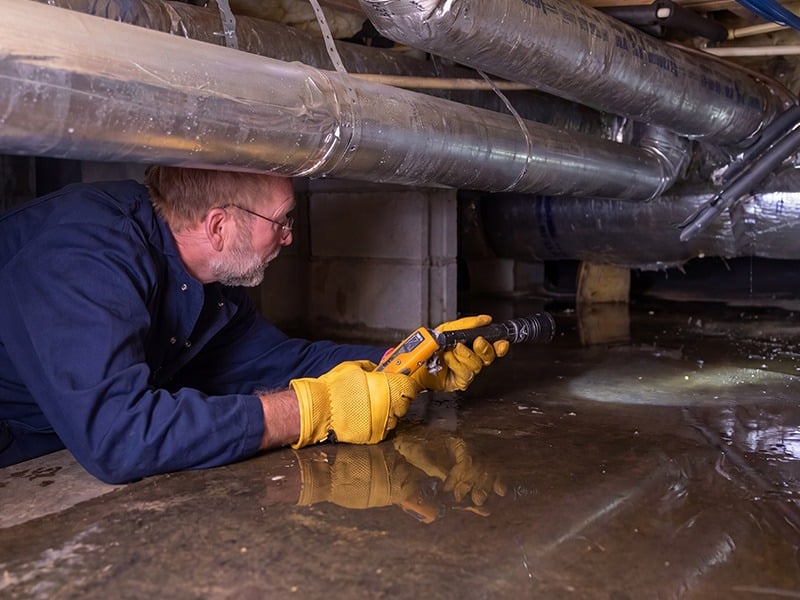
Most crawl space problems don’t announce themselves with a flood or a dramatic event (though that can happen). They build up slowly, and the first signs usually show up inside the house rather than underneath it.
A persistent musty or damp smell, especially on lower floors, is one of the most common early warnings. That odor is moisture and mildew working its way up from the crawl space into the living area. Doors and windows that suddenly stick or won’t close properly can point to wood swelling from excess humidity below. Soft or uneven spots in hardwood or laminate flooring often trace back to moisture-damaged subflooring.
Some homeowners notice higher humidity levels inside the house even with the AC running. In the Pee Dee and Grand Strand, where outdoor humidity is already high, a vented crawl space can actually pull warm, moist air inward rather than venting it out — especially during the warmest months.
If any of these signs sound familiar, the crawl space is worth a closer look. Harris Pest Control offers free crawl space inspections to identify moisture problems and their root causes.
How Crawl Space Moisture Creates a Pest Problem
Moisture underneath the house doesn’t just cause structural issues. It creates an environment that actively draws some of the most destructive pests in our region.
Termites depend on damp conditions to survive. They build mud tubes up foundation walls and target wood that’s been softened by moisture. A crawl space with standing water or consistently high humidity gives them exactly what they need to establish a colony and start feeding.
Carpenter ants are drawn to the same conditions — they tunnel into damp wood to build their nests, and a crawl space with rotting joists or sill plates is an open invitation.
Cockroaches are another moisture-driven pest. Species like American cockroaches and oriental cockroaches thrive in dark, humid spaces and often get established in crawl spaces before spreading into the living areas above.
Rodents are frequently found nesting in crawl space insulation as well. Moisture provides a nearby water source, while the enclosed crawl space offers shelter and protection.
One of the most common things our technicians tell homeowners after a crawl space inspection is that the pest problem they’ve been dealing with upstairs actually started below. Correct the moisture problem, and you remove many of the conditions that attract insects and rodents to a crawlspace.
Does Crawl Space Encapsulation Actually Prevent Pests?
This is one of the most common questions we hear from homeowners dealing with recurring pest issues. The short answer is yes — when it’s done properly.
Crawl space encapsulation seals the space from the ground up.
Harris Pest Control’s moisture control team starts with a thorough inspection to identify evidence of wood decay, condensation, standing water, pest activity, and other issues caused by excess moisture.
From there, we develop a remediation plan tailored to the property. Solutions can include a moisture barrier, full crawl space encapsulation, a crawl space drainage system, clean-out and sanitation, insulation removal and replacement, and vent and access door replacement.
The goal is simple: transform a damp, pest-friendly environment into a dry, controlled one.
Once moisture is managed, many of the conditions that attract pests are addressed at the source.
It’s not a replacement for pest control. Instead, it helps eliminate the moisture conditions that attract many common household pests. If you're already on a pest control plan or have termite protection in place, encapsulation works alongside those services to help protect your home over the long run.
Why Is Crawl Space Moisture So Common in the Pee Dee and Grand Strand?
Crawl space moisture is a regional reality, and it’s especially persistent in the areas we serve.
In the Florence area and across the inland Pee Dee, many older homes were built with vented crawl spaces that were designed to let air flow through and keep things dry.
In practice, South Carolina’s climate works against that design.
Warm, humid air enters through the vents, hits cooler surfaces underneath the house, and condenses. Instead of drying the crawlspace out, the ventilation system can actually add moisture.
Our technicians see this issue regularly in homes built before modern building codes caught up with the science.
Along Myrtle Beach and the Grand Strand, the combination of coastal humidity, a high water table, and frequent storms means crawl spaces are constantly fighting moisture from multiple directions.
Properties near tidal marshes, creek systems, or low-lying areas tend to see the most severe conditions.
Even newer homes in coastal communities can develop crawlspace moisture problems if the vapor barrier installed during construction deteriorates over time or wasn't installed correctly in the first place.
Our team inspects crawl spaces throughout the region every week, and one of the most common findings is damaged or missing vapor barriers that have broken down over time.
Even a partial gap can let enough moisture in to create problems.
If you're not sure what your crawlspace looks like, a free inspection is the best place to start.
Frequently Asked Questions
How long does crawl space encapsulation take?
Most projects are completed in one to three days, depending on the size of the crawl space and the scope of work involved. Larger spaces or those needing drainage or structural repairs may take a bit longer.
Does encapsulation help with energy costs?
It can. Sealing and dehumidifying the crawl space reduces the amount of moisture your HVAC system has to overcome, which can lower energy use. Many homeowners also notice more consistent temperatures throughout the house.
Can a crawl space be encapsulated if there’s already pest damage?
Yes, but any existing issues — rotting wood, active infestations, or damaged insulation — should be addressed first.
How often should a crawlspace be inspected?
We recommend at least once a year, especially for homes in coastal or low-lying areas. Regular inspections catch small moisture or pest issues before they develop into structural problems.
Don’t Wait for the Problem to Come Upstairs
If you’re noticing signs of moisture in your home or dealing with pests that keep coming back no matter what you try, the answer may be right under your feet. Contact Harris Pest Control to schedule a free crawl space inspection and find out how encapsulation can protect your home from the ground up.
Additional Services













Get Started Today!