
Signs You Have Bats in Your Home and What to Do About It
Something is scratching in the attic. There's a strange smell you can't quite place. Maybe you've noticed something fluttering around your roofline at dusk.
If any of that sounds familiar, you might have bats.
At Harris Pest Control, many homeowners call us about bats after weeks or even months of noticing something isn't right. They hear noises in the attic, notice unusual odors, or spot activity around the roofline, but aren't always sure what's causing it. Bats are quiet; they stay hidden during the day, and they can go unnoticed for weeks or even months.
Across the Pee Dee and Grand Strand, bats regularly find their way into attics, wall voids, and other sheltered spaces. South Carolina's long, warm season, abundant insect populations, and large number of homes with accessible attics create ideal conditions for bats to roost close to people.
The good news? The earlier you identify a bat problem, the easier it is to address.
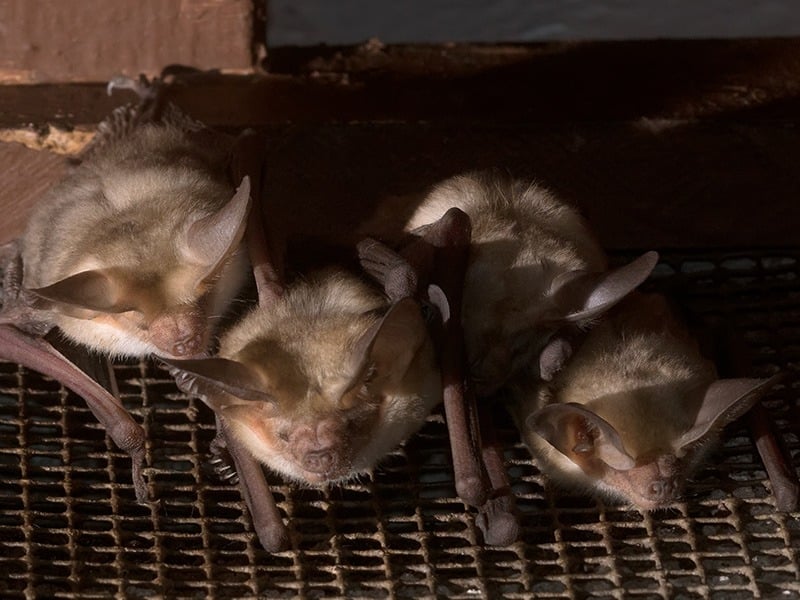
Common Signs of Bats in Your Home
Unlike rodents, bats aren't usually running through kitchens or leaving obvious signs in living areas. Most activity occurs overhead, so homeowners often notice subtle clues first.
Scratching or Squeaking in the Attic
One of the most common complaints we hear is scratching, rustling, or occasional squeaking sounds coming from the attic or walls around sunset.
Bats become active as they prepare to leave for their nightly feeding flights. If the noises seem to increase around dusk, bats could be the cause.
Bats Flying Around the Roofline at Dusk
Sometimes the clearest sign is seeing the bats themselves.
If you stand outside near sunset and watch your roofline, you may see bats emerging from small gaps around soffits, vents, fascia boards, or other openings.
Many homeowners in Florence, Darlington, Myrtle Beach, and surrounding communities first realize they have a bat problem after noticing repeated evening activity around the same area of the home.
Bat Droppings
Bat droppings, known as guano, often accumulate beneath roosting areas and entry points.
You may find small dark pellets in the attic, on porches, around foundations, or beneath roof overhangs. Because bat droppings can resemble rodent droppings, it's best not to handle or disturb them. If you're finding unexplained droppings around your home, a professional inspection can help determine the source.
If you're finding unexplained droppings around your home, Harris Pest Control can determine whether bats are responsible during an inspection.
Strong Musty Odors
As guano and urine accumulate, they can create a noticeable odor.
Many homeowners describe it as musty, stale, or similar to ammonia. In attics with limited ventilation, the smell can eventually drift into living spaces.
Dark Stains Around Entry Points
Bats can fit through openings as small as three-eighths of an inch.
As they repeatedly enter and exit, oils from their fur often leave dark brown or black staining around the edges of openings. These marks are frequently found around vents, rooflines, soffits, and fascia boards.
Which Bats Get Into South Carolina Homes?
South Carolina is home to more than a dozen bat species, but only a few commonly roost inside structures.
The species our team encounters most often include:
- Big brown bats
- Evening bats
- Brazilian free-tailed bats
These bats are attracted to attics and wall voids because the spaces provide warmth, protection from predators, and stable conditions for resting and raising young.
Older homes are especially vulnerable because years of settling can create small gaps that bats can easily access.
Why Bats in Your Home Are a Serious Problem
Bats provide important benefits outdoors by feeding on mosquitoes and other insects. However, they don't belong inside homes.
Health Concerns
Bat guano can support the growth of Histoplasma capsulatum, a fungus associated with histoplasmosis.
When large accumulations of guano are disturbed, spores can become airborne and potentially create health risks. That's one reason homeowners should avoid attempting cleanup themselves.
Rabies is another concern. Although only a small percentage of bats carry rabies, any direct contact with a bat should be taken seriously. If a bat is found in a room where someone was sleeping, contact your doctor and local health officials for guidance.
Because of the potential health risks associated with bat guano, it's best to have suspected infestations evaluated as soon as possible.
Property Damage
Over time, bat activity can create expensive damage.
Accumulations of guano and urine can:
- Damage insulation
- Create persistent odors
- Stain ceilings and walls
- Attract insects that feed on organic material
The longer bats remain in a structure, the more extensive the cleanup and restoration may become.
How Do Bats Get Into Homes?
Most homeowners are surprised by how little space bats need.
Common entry points include:
- Gaps where soffits meet the roofline
- Missing or damaged vent screens
- Openings around chimney flashing
- Loose fascia boards
- Roof intersections
- Cracks around utility penetrations
In the Pee Dee and Grand Strand, we frequently find bat entry points in older homes where normal settling has created gaps that aren't visible from the ground. That’s why professional inspections are often needed to locate them.
How to Make Your Home Less Attractive to Bats
While professional exclusion is the only way to remove an existing bat colony, homeowners can reduce the likelihood of future problems by maintaining the exterior of the home.
Helpful prevention measures include:
- Repair damaged soffits and fascia boards
- Install properly fitted chimney caps
- Replace missing vent screens
- Seal exterior gaps during roof repairs
- Address weather-related damage promptly
- Schedule periodic inspections of the roofline and attic
The goal isn't to trap bats or remove them yourself. It's to eliminate the openings that make your home attractive as a roosting site.
How Harris Pest Control Handles Bat Problems
Because bats are protected wildlife, removal must be performed carefully and legally.
At Harris Pest Control, we use humane exclusion methods designed to allow bats to leave while preventing them from returning.
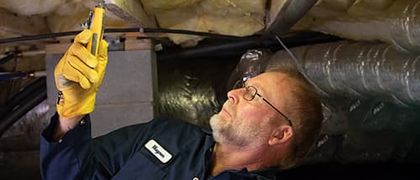
Every service begins with a thorough inspection. Our bat control specialists identify active entry points, locate roosting areas, and evaluate the extent of any contamination or damage.
Once we've identified how the bats are entering, we install one-way exclusion devices that allow them to exit naturally during their nightly feeding flights. After confirming the colony has vacated the structure, we permanently seal entry points to help prevent future infestations.
We've been helping homeowners throughout the Pee Dee and Grand Strand protect their homes since 1973. Whether you're hearing noises in the attic or simply want peace of mind, our team can determine whether bats are present and recommend the appropriate solution.
Frequently Asked Questions About Bats in Homes
How many bats are usually found in an attic?
It varies. Some attics may only have a few bats, while others can house dozens or even hundreds. A professional inspection is usually needed to determine the size of the colony.
How long does it take to get bats out of an attic?
Most exclusions take anywhere from several days to a few weeks, depending on the size of the colony and the complexity of the structure.
Is it safe to stay in my home during bat removal?
In most situations, yes. Bat exclusion is a non-invasive process that does not affect homeowners.
What time of year can bats be removed?
Exclusions should not be performed during the maternity season when flightless young are present. Your Harris Pest Control specialist can determine whether exclusion can be performed safely and legally at the time of inspection.
Will homeowners insurance cover bat damage?
Some policies may cover certain types of damage, while others exclude damage caused by wildlife. Check with your insurance provider to understand what your policy covers.
Think You Might Have Bats? Let Us Take a Look
If you've noticed scratching sounds, unusual odors, droppings, or evening bat activity around your roofline, don't wait for the problem to grow.
Contact Harris Pest Control for a free bat removal quote. Our locally owned, family-operated team has been helping homeowners across Florence, Myrtle Beach, and the entire Pee Dee and Grand Strand protect their homes since 1973.
Additional Services













Get Started Today!