
When Do Subterranean Termites Swarm in the Pee Dee and Grand Strand?
Seeing winged insects suddenly show up at a window or sliding door can be unsettling—especially when they appear all at once.
Across the Pee Dee and Grand Strand, subterranean termite swarming tends to happen when the environment is right—not because the calendar hits a certain week. Warmth, moisture, humidity, and calm weather all play a role.
That’s why swarming may start earlier one year and later the next. Below, you’ll learn the typical season, the most common triggers, how to tell termite swarmers from flying ants, and what to do if you find wings or swarmers indoors or witness a swarm in the yard.

What This Article Covers
When the subterranean termite swarming season typically happens in the Pee Dee and along the Grand Strand (and why timing varies)
- The weather “recipe” that triggers swarms
- How to tell termite swarmers from flying ants (fast, homeowner-friendly clues)
- What it means if swarmers or wings show up indoors
- Practical steps you can take today—and when it’s time to schedule a professional inspection
When Do Termites Swarm in the Pee Dee & Grand Strand?
Most homeowners in Florence and surrounding Pee Dee communities notice subterranean termite swarms from late winter through spring. In some years, swarming can stretch into early summer depending on local temperatures and rainfall.
In coastal areas like Myrtle Beach and the Grand Strand, swarming may begin earlier due to higher humidity levels and milder winter temperatures.
Instead of thinking “What month is swarming season?” it’s more accurate to think:
- Swarming starts when conditions are right.
- Those conditions can arrive earlier or later each year.
The Weather Conditions That Trigger a Swarm
Subterranean termites live in the soil, so they’re tuned into moisture and temperature. Swarms are more likely when several factors line up at once:
- Warm daytime temperatures
- Humidity in the air
- Moist soil (often after rainfall)
- Calm weather (less wind makes it easier for swarmers to fly)
Homeowner takeaway: if you’ve had warm, humid weather after rain, it’s a good time to be extra alert for swarmers and discarded wings.
What Are Termite Swarmers (and Why Do They Have Wings)?
The winged termites you see during swarming season are often called swarmers (or alates). They’re the reproductive termites produced by a mature colony.
Their purpose is simple:
- Leave the original colony
- Pair up
- Shed their wings
Try to start a new colony elsewhere
Important distinction: swarmers aren’t the ones doing the hidden wood damage. That damage is caused by worker termites that stay out of sight.
Termites cause billions of dollars in property damage nationwide each year, and much of that damage goes unnoticed until it becomes structurally significant.
Check out our subterranean termite guide for more information about these wood-damaging pests.
Termite Swarmers vs. Flying Ants: The Fastest Ways to Tell
Swarm season overlaps with times you may also see flying ants. If you only check one feature, check the wings.
- Wings: Termite swarmers have four wings of similar size. Flying ants typically have two larger front wings and two smaller back wings.
- Body Shape: Termites tend to look straighter and more evenly shaped throughout the body. Ants usually have a more pinched “waist.”
- Antennae: Termite antennae tend to look straighter or gently beaded. Ant antennae are more likely to look elbowed.
If you’re unsure, don’t guess. A professional termite inspection can quickly confirm what you’re dealing with — often in a single visit. Our local team can confirm termite activity quickly with a no-cost inspection.
Where Homeowners Commonly Find Swarmers and Wings
Subterranean termite swarmers are attracted to light and often end up in the same predictable spots:
- Window sills
- Sliding door tracks
- Around light fixtures
- Near vents and baseboards
Many homeowners don’t see the insects at all—they notice discarded wings first.
Is It Normal to See Swarmers Outside?
Yes—especially during swarming season.
It’s common to spot subterranean termite swarmers outdoors, particularly near wooded areas, old stumps, mulch beds, and damp soil.
Seeing swarmers outside doesn’t automatically mean your home is infested.
That said, swarms close to your foundation—especially if they appear to be coming out of the soil near the structure—are worth taking seriously.
Outdoor activity is a good reminder to:
- Check your foundation and crawl space for risk factors
- Address drainage and moisture issues around the home
- Consider a termite inspection if you haven’t had one recently
What If You See Termite Swarmers or Wings Indoors?
Indoor sightings deserve more urgency.
A few swarmers can slip indoors through small gaps and die near windows. But these situations are stronger red flags:
- You see dozens (or more) indoors
- You keep finding wings in the same room over multiple days
- You see swarmers coming from a crack, trim area, vent, or baseboard
If you’ve had indoor activity, compare what you’re seeing to other evidence of termite infestations highlighted in this article: Signs Of Termites.
The sooner an active colony is identified, the less structural damage it can cause.
Quick Homeowner Checklist During Swarming Season
These steps won’t “DIY treat” termites (subterranean termite colonies require professional control), but they can help you reduce risk and spot problems earlier.
Do a Foundation Walk-Around
Look for:
- Mulch piled high against the foundation
- Wood-to-soil contact (posts, steps, or siding too close to grade)
- Areas where water collects near the home after rain
Check Moisture in the Crawl Space
Subterranean termites need moisture. If your crawl space is damp or musty, it can raise your risk.
Know the Three High-Signal Warning Signs
- Swarmers or discarded wings
- Mud tubes on foundation walls, piers, or inside a crawl space
- Wood that sounds hollow or looks blistered/warped
If you’d like a general seasonal checklist (beyond termites), read: Spring Pest Prevention For South Carolina Homeowners.
Does Swarming Mean Termites Are Eating Away At Your House Right Now?
Not always—but it’s a strong reason to verify.
A swarm indicates termites are active nearby, and it may also indicate a colony is close enough to send swarmers into (or into the vicinity of) your structure.
Because subterranean termite damage is often hidden until it becomes expensive, the smartest approach is simple: inspect early and treat proactively.
When to Call Harris Pest Control
If you’re seeing swarmers or discarded wings—especially indoors—it’s time for action.
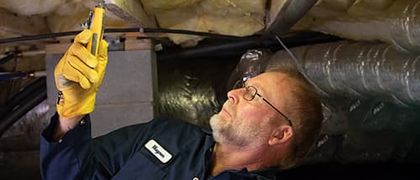
A professional termite inspection can quickly determine whether what you’re seeing is seasonal activity outside or a colony already established inside your home.
Inspections are fast, straightforward, and give you clarity — whether treatment is needed or not.
Even if swarmers are only outdoors, spring is the time of year when colonies are most active and often when hidden termite issues first come to light.
That’s why many homeowners throughout the Pee Dee and Grand Strand areas use this season as a checkpoint—scheduling an inspection and installing proactive termite protection before damage begins.
Harris Pest Control has protected homes in Florence, Effingham, Myrtle Beach, and across the Pee Dee and Grand Strand since 1973. Our termite protection programs are designed for the soil conditions and moisture levels found in the Pee Dee and along the Grand Strand, as well as the region’s termite pressures—not a one-size-fits-all approach.
Whether you need a termite inspection or ongoing protection, our termite control services in the Pee Dee and Grand Strand are tailored to local conditions. Request your free inspection now!
If you’re dealing with swarmers inside right now, you may also find this helpful: Navigating Termite Season: Essential Tips For Homeowners.
Frequently Asked Questions About Termite Swarming in the Pee Dee and Grand Strand
What month do termites swarm?
In the Pee Dee and Grand Strand areas, most swarms occur between February and May, though weather patterns can shift timing earlier or later.
Do termites swarm at night or during the day?
Subterranean termites typically swarm during the daytime, especially after rainfall when temperatures are warm.
How long does a termite swarm last?
Most swarms last 30–40 minutes, though discarded wings may remain visible for days afterward.
Additional Services













Get Started Today!