Can Mice Cause House Fires?
Yes, mice can cause house fires, although most mouse activity never leads to one. The concern is what happens when mice chew through the protective coating around electrical wires. That damage can create an electrical hazard, especially when it occurs somewhere you can't easily see.
A mouse running across your kitchen floor is one thing. Mice moving around inside your walls, attic, or crawl space are another. They could be chewing on wiring without you realizing it.
Here's what homeowners should know about the risks and how to recognize a potential problem.
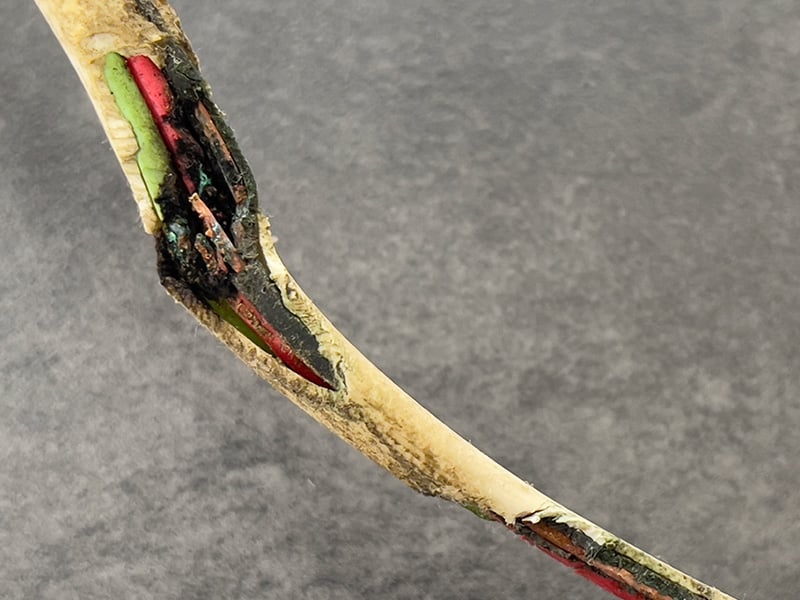
Why Do Mice Chew Wires?
Mice have front teeth that never stop growing, so they gnaw on materials to keep those teeth worn down. Unfortunately, they aren't particular about what they chew. Wood, cardboard, plastic, insulation, and electrical wiring are all potential targets.
Electrical wires are especially vulnerable when mice get into wall cavities, attics, crawl spaces, and areas behind appliances. They're not attracted to the electricity itself. Wires are simply another material mice may encounter as they move around and gnaw.
And mice don't have to chew completely through a wire to cause damage. Even removing part of the protective coating can create an electrical problem.
How Chewed Electrical Wires Can Start a House Fire
Electrical wires have an insulating layer that protects the conductors inside. When a mouse chews through that insulation, it can expose the wiring and increase the risk of a short circuit or electrical arcing.
Arcing occurs when electricity jumps between conductors or conductive surfaces. Under certain conditions, the heat generated can ignite nearby combustible materials.
This is especially concerning when damaged wiring is surrounded by insulation, wood framing, or other materials inside a home's walls and ceilings.
Of course, not every wire a mouse chews will cause a fire. However, the possibility is serious enough that suspected electrical damage should never be ignored.
Signs Mice May Be Chewing Electrical Wires
Unfortunately, there isn't always an obvious warning that mice have damaged your home's wiring. Much of their activity happens in areas homeowners rarely see.
One of the clearest signs is visible gnaw damage on an electrical cord. You might notice small tooth marks, missing sections of plastic coating, or exposed wiring behind an appliance or near a storage area.
Other clues are less direct. Scratching sounds inside walls or ceilings, mouse droppings behind appliances, and shredded insulation can indicate mice are active nearby. However, these signs don't necessarily mean they've reached electrical wiring.
Electrical problems deserve separate attention. Flickering lights, repeatedly tripped breakers, or unusually warm outlets can indicate damaged or faulty wiring. These issues have several possible causes, so you shouldn't automatically assume mice are responsible.
If you've noticed mouse activity along with electrical problems, it's worth having both concerns investigated.
Are Mice in Walls Dangerous?
Mice inside walls can create problems beyond the scratching noises you hear at night. They may damage insulation, leave droppings and urine in concealed spaces, and chew on building materials.
Electrical wiring is another concern because it often runs through those same wall cavities.
The challenge is that you generally can't tell how much damage has occurred just by listening. Hearing a mouse moving inside a wall doesn't mean your wiring has been compromised, but it does mean there may be activity somewhere you can't easily inspect.
Catching a mouse with a trap doesn't necessarily resolve that uncertainty, either. Other mice may still be present, entry points may remain open, and any damage already done to electrical wiring won't disappear.
That's why addressing an indoor mouse problem involves more than just removing the one mouse you happen to see.
Can Mice Chew Through Gas Lines?
Mice can damage certain gas-line materials and protective coverings, although conventional metal gas piping is much more resistant to their chewing.
The risk depends on the type of piping and its construction. Finding mice around a gas appliance doesn't automatically mean there's a gas leak, but suspected damage to a gas line should be evaluated by the gas utility or a qualified professional.
If you smell gas, leave the building immediately. Avoid operating electrical switches or anything that could create a spark, and contact your gas utility or 911 from outside.
What to Do if You Suspect Mice Have Chewed Wires
If you discover a chewed electrical cord, stop using the affected appliance and have the damage evaluated. Don't attempt to patch exposed wiring yourself.
For flickering lights, repeatedly tripped breakers, or other suspected electrical problems, contact a licensed electrician. If you notice smoke, sparks, or a burning smell, leave the home and call 911.
You'll also want to address the mice themselves.
Putting out a few traps might catch an individual mouse, but that won't solve the problem. It also doesn't tell you whether others are living inside your home or how they're getting in. Store-bought traps also won't reveal whether concealed wiring has already been damaged.
If you suspect mice are chewing electrical wires in your home, it's time to call Harris Pest Control for help evaluating and treating the rodent issue.
Mouse Control for Pee Dee and Grand Strand Homeowners
Finding mice in your home is frustrating enough. Wondering what they're doing behind your walls makes it even more concerning. At Harris Pest Control, we help homeowners across the Pee Dee and Grand Strand get to the source of their mouse problems.
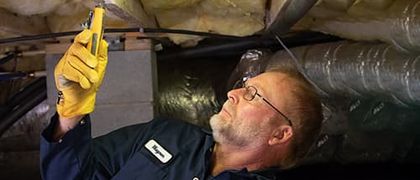
Our rodent control services start with a free inspection to identify signs of activity and possible entry points. From there, we'll recommend a treatment approach that may include trapping, baiting, and exclusion work to help address the problem and make it harder for mice to get back inside.
And because mice aren't the only pests homeowners have to deal with, our home pest control plans provide ongoing protection against mice, rats, and many other common household pests.
We've been helping homeowners in Florence, Myrtle Beach, and communities across the area since 1973. If you've noticed signs of mice or are concerned about what they could be damaging, contact Harris Pest Control to schedule your free rodent inspection. We'll help you figure out the best way forward.
Originally published October 2, 2025. Updated October 31, 2026.
Additional Services














Get Started Today!