
Those Tiny Silver Bugs in Your Bathroom Are Probably Silverfish
You walk into your bathroom at night, flip on the light, and something small and silvery darts behind the baseboard. If you've seen that little shimmy-and-vanish move, you're probably dealing with silverfish.
Here at Harris Pest Control, we get calls about silverfish all the time from homeowners across the Pee Dee and Grand Strand. Most people don't even know what they are at first — just that something creepy is showing up in the bathroom, laundry room, or garage.
The good news is silverfish aren't dangerous. The bad news is that these nuisance pests are usually a sign of excess moisture building up somewhere in the home, and they rarely go away on their own.
After more than 50 years serving South Carolina homeowners, we've seen silverfish problems become especially common in humid homes with damp crawl spaces, poor ventilation, or hidden moisture issues.
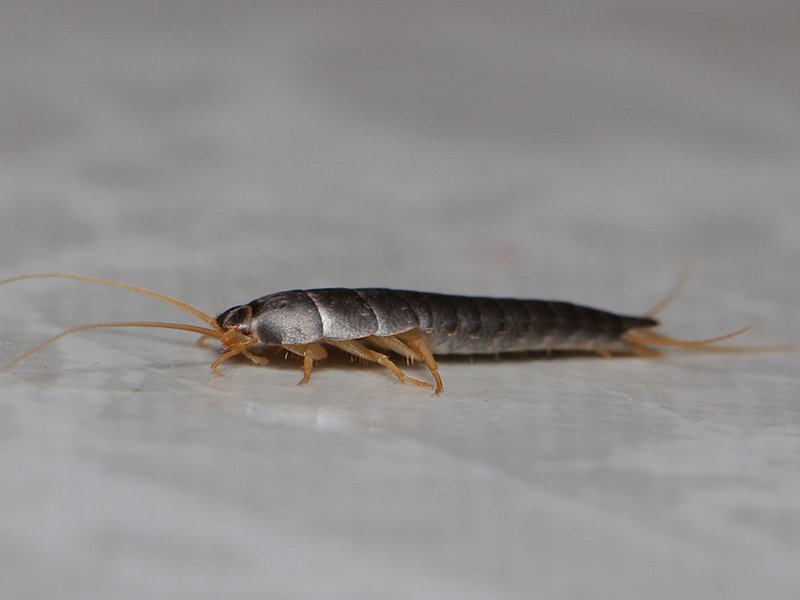
What Silverfish Look Like
Silverfish are small, wingless insects that usually grow to about half an inch to three-quarters of an inch long. They're shaped a bit like a teardrop or tiny fish, with silver-gray scales covering their bodies. They also have two long antennae up front and three tail-like bristles in the back.
They move fast when startled. That quick, side-to-side motion is actually how they got their name because it looks like a fish swimming through water.
Silverfish are nocturnal, so most homeowners spot them late at night or when opening a dark cabinet, closet, or storage box.
Why Silverfish Thrive in Pee Dee and Grand Strand Homes
Silverfish need moisture to survive. They do best in humid environments and struggle in dry conditions. Unfortunately, homes across the Pee Dee and Grand Strand give them exactly what they want for much of the year.
Homes in Florence, Conway, Myrtle Beach, and surrounding communities often experience high humidity, damp crawl spaces, and moisture buildup during extended periods of warm weather. Older homes with poor ventilation or unsealed crawl spaces are especially attractive to silverfish.
In our experience, damp crawl spaces are one of the biggest contributors to silverfish activity in homes across our service area. When moisture builds underneath the house, silverfish and other humidity-loving pests often follow.
We also tend to see silverfish become more active during especially rainy periods and throughout our long, humid summers.
Where Silverfish Hide Inside Homes
Silverfish are extremely good at staying out of sight during the day. They squeeze into tight, dark spaces where moisture collects, and people rarely look.
Some of the most common hiding spots we find include:
- Behind toilets and under bathroom sinks
- Along bathroom baseboards
- Behind washers and dryers
- Under kitchen sinks and around dishwashers
- Inside cabinets and closets
- In attics with damp insulation
- In crawl spaces with excess humidity
- Around cardboard boxes, books, and stored paper items
Many homeowners see only one or two silverfish and assume it's a minor issue. But if silverfish are showing up in living spaces, there's usually a larger population hiding nearby.
Can Silverfish Damage Your Home?
Silverfish don't bite, sting, or spread disease, but they can still cause damage over time.
They feed on starchy materials like:
- Paper
- Cardboard
- Wallpaper glue
- Book bindings
- Photos
- Cotton and linen fabrics
We've seen silverfish damage family photo boxes, old documents, stored clothing, and wallpaper in homes throughout the Pee Dee and Grand Strand. In larger infestations, the damage can become surprisingly noticeable.
You may also spot:
- Small irregular holes in paper or fabric
- Yellowish stains
- Tiny dark droppings that resemble black pepper
Why Store-Bought Silverfish Treatments Usually Fail
Most store-bought sprays only kill the silverfish you can actually see. The real problem usually happens behind walls, inside crawl spaces, beneath baseboards, or in other hidden areas where over-the-counter products never reach.
Sticky traps may help confirm activity, but they rarely reduce the population in a meaningful way.
And if the moisture problem isn't addressed, new silverfish usually keep showing up.
That's why professional treatment makes such a difference. It's not just about treating visible bugs. It's about identifying where silverfish are hiding, identifying the conditions that attract them, and helping prevent the problem from returning.
How Harris Pest Control Gets Rid of Silverfish
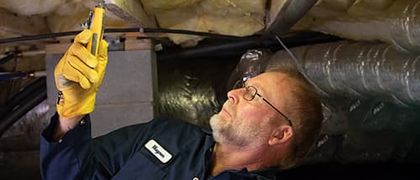
When you contact Harris Pest Control, we start with a detailed inspection of the home. Our technicians check common problem areas like bathrooms, kitchens, laundry rooms, attics, and crawl spaces to identify both silverfish activity and underlying moisture issues.
From there, we apply targeted treatments to cracks, crevices, wall voids, and other areas where silverfish hide during the day.
We also look at the bigger picture. If excess crawl space moisture is contributing to the problem, we may recommend crawl space encapsulation or other moisture-control measures to make the home less attractive to silverfish and other pests.
Silverfish are covered under both our residential pest control plans, which provide year-round protection for a wide range of common household pests.
If covered pests show up between scheduled visits, we'll return and re-treat at no additional cost.
Frequently Asked Questions About Silverfish
Why am I suddenly seeing more silverfish?
Silverfish activity often increases during humid weather, rainy periods, or when hidden moisture starts building up inside the home. Many homeowners across the Pee Dee and Grand Strand notice them more during our long, humid summers.
Can silverfish come up through drains?
Silverfish don't live inside drains, but they are attracted to the moisture around sinks, tubs, and plumbing areas. Bathrooms and laundry rooms are some of the most common places homeowners spot them.
Are silverfish common in new homes?
Yes. Even newer homes can develop silverfish problems if humidity levels remain high or moisture builds up in crawl spaces, attics, or around plumbing fixtures.
How quickly can silverfish populations grow?
Silverfish reproduce steadily over time, and they can live for several years. That means what starts as an occasional sighting can gradually turn into a much larger infestation if conditions stay favorable.
Do silverfish infest beds or mattresses?
Silverfish usually prefer damp areas with paper, glue, cardboard, or fabric nearby. While they aren't known to infest mattresses like bed bugs, they may occasionally wander into bedrooms when humidity is high.
Don't Let Silverfish Take Over Your Home
Silverfish are one of those pests that seem minor at first but usually get worse the longer they're ignored. If you're spotting them in bathrooms, kitchens, closets, or storage areas, there's a good chance more are hiding nearby.
Harris Pest Control has been helping homeowners across the Pee Dee and Grand Strand handle silverfish and other household pests for over 50 years. We'll inspect your home, identify what's attracting them, and help you keep them from coming back.
Contact us today to schedule your free inspection.
Additional Services














Get Started Today!