
Why Camel Crickets Take Over Every Summer
Every summer, Harris Pest Control gets calls from homeowners who found a strange, long-legged bug in the crawl space, garage, laundry room, or storage area — and then watched it jump.
In many cases, that strange jumper is a camel cricket.
Camel crickets, also called spider crickets or cave crickets, are one of the more common warm-weather invaders we see around homes in the Pee Dee and Grand Strand. They don’t bite, sting, or spread disease, but that doesn’t make them pleasant to find. They’re quick, jumpy, and often show up in places homeowners don’t check very often.
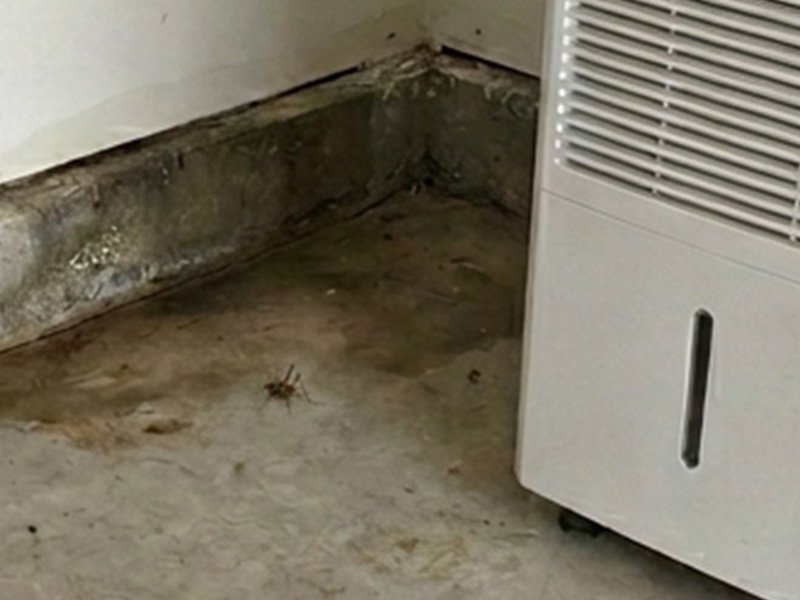
Why Camel Crickets Show Up Every Summer
Camel crickets are built for dark, hidden spaces. Outdoors, they hide under rocks, logs, leaves, mulch, stacked items, and other protected areas where they can stay cool and out of sight.
Around homes, they look for the same kind of shelter.
That’s why summer tends to bring more camel cricket calls across the Pee Dee and Grand Strand. Warm weather keeps pests active, and South Carolina homes offer plenty of places for camel crickets to hide. Crawl spaces, garages, storage sheds, utility rooms, and shaded foundation edges can all give them the cover they need.
Moisture does play a role. Camel crickets do better in damp areas than dry ones. Afternoon storms, heavy humidity, thick landscaping, poor drainage, and shaded lots can all make the areas around a home more inviting.
But moisture is not the only issue. Camel crickets also need access and shelter. If there are gaps around the foundation, openings near garage doors, damaged crawl space doors, cluttered storage areas, or mulch and leaf litter close to the house, they have more ways to settle in and more places to stay hidden.
That’s when a few crickets can turn into a larger summer problem.
Where Camel Crickets Hide Around Pee Dee and Grand Strand Homes
Camel crickets usually enter from the ground up. They are not typically coming through the front door. They work their way in around low, protected areas where pests can move without being disturbed.
Crawl spaces are one of the most common starting points, especially in older homes with vents, loose access doors, bare soil, or gaps around pipes and utility lines. Garages are another common spot because they often stay dark, quiet, and cluttered.
You may also find camel crickets in:
- Laundry rooms
- Utility closets
- Water heater closets
- Storage sheds
- Detached garages
- Ground-level bathrooms
- Rooms connected to the garage or crawl space
Around the Grand Strand, homes in and around Myrtle Beach, Conway, Surfside Beach, and Murrells Inlet may see more pest activity near retention ponds, marshy edges, wooded buffers, drainage swales, and shaded golf course communities. In the Pee Dee, homes around Florence, Marion, and Darlington, can run into the same problem when shaded rural lots, older crawl spaces, drainage ditches, and wooded areas create steady pest pressure.
By the time you see camel crickets in the garage, laundry room, or living space, there’s a good chance they’ve been hiding nearby for a while. Our technicians often find them in crawl spaces, around stored boxes, near garage edges, or along damp foundation areas.
Why One or Two Camel Crickets Can Turn Into More
Finding one camel cricket is not a big deal. It may have wandered in from the garage, crawl space, or outdoors.
But if they keep showing up, that usually means the home is giving them what they need: a way in, a place to hide, and enough moisture to survive.
That is why they can be so frustrating. You may clear out the ones you see, but more can still be tucked away in the crawl space, behind stored items, along garage edges, or outside near the foundation.
They are also good at staying out of sight. A homeowner may notice only one or two, while others are hiding nearby.
And because spiders feed on camel crickets, you may start seeing more spiders in the same areas. Other moisture-loving pests, including cockroaches, ants, and termites, may also be more likely to show up when the conditions around the home are favorable.
Camel crickets are not usually the most damaging pest in the house. But they are a good sign that pest activity is building in places you may not check often.
Why Camel Crickets Keep Coming Back
One of the most common frustrations homeowners share with us is that camel crickets keep reappearing.
You see a few. You get rid of them. Things seem fine for a bit. Then they’re back.
That happens because the visible crickets are only part of the problem. If camel crickets are hiding in the crawl space, garage, storage shed, or along the foundation, new ones can keep making their way inside.
Entry points matter too. Gaps around garage doors, crawl space doors, foundation openings, utility penetrations, and exterior trim can all give pests a way in. Once they find a quiet, protected place, they can settle in and stay hidden.
That’s why long-term control is not just about the one cricket that jumped across the garage floor. It is about treating the areas where camel crickets hide, travel, and enter the home.
How Harris Pest Control Helps With Camel Crickets
Camel crickets are covered under Harris Pest Control’s home pest control plans. That means they’re not treated like a one-off nuisance. They’re included in the regular service that helps protect your home from ants, cockroaches, spiders, crickets, and other common household pests.
During each service, our technicians look for the areas where camel crickets are most likely to hide, travel, and enter. That can include garage edges, crawl space access points, foundation gaps, and shaded areas around the home. We'll also address indoor areas if camel crickets or other pests have entered.
Because camel cricket activity can build through summer and into early fall, year-round pest control is the better fit for most homes. Ongoing pest treatments help keep small pest problems from turning into bigger ones, especially in Pee Dee and Grand Strand homes where warm weather, shade, and humidity can keep pests active for long stretches of the year.
If our technicians see signs that moisture is contributing to the problem, they’ll let you know. But the first step is to get pest activity under control.
Frequently Asked Questions About Camel Crickets
Can camel crickets survive in your home through the winter?
Yes, they can. Winters in the Pee Dee and Grand Strand are usually mild enough that camel crickets may survive in protected areas, especially if the space stays damp. Crawl spaces, garages, storage rooms, and utility areas can give them the shelter they need to make it past summer.
Can camel crickets damage things inside the home?
Camel crickets may chew on fabric, paper, cardboard, and other stored items, especially when stored in damp garages, crawl spaces, sheds, or utility rooms.
Are camel crickets the same as regular crickets?
No. Camel crickets look different from the black or brown field crickets homeowners often see outside. They have a humpbacked body, long legs, and no wings, which is why they jump instead of flying or chirping.
Why don’t I hear camel crickets chirping?
Camel crickets do not chirp like many other crickets. They do not have wings, so they cannot make that familiar cricket sound. That’s one reason homeowners may not know they have them until they see one jump.
Tired of Finding Camel Crickets in Your Home?
For more than 50 years, Harris Pest Control has helped homeowners across the Pee Dee and Grand Strand deal with the pests that show up during our hot, humid seasons. If camel crickets keep turning up in your home, we’ll help you get activity under control and prevent new infestations from developing.
Contact Harris Pest Control today to schedule your free inspection. We’ll address the camel crickets and other pests that tend to show up around Pee Dee and Grand Strand homes.
Additional Services













Get Started Today!