
Why You See More Fire Ant Mounds After Rain
If you live around Florence, Myrtle Beach, or elsewhere in South Carolina’s Pee Dee or Grand Strand areas, you’ve probably seen this happen.
We get a few warm spring rains, and then all of a sudden, fire ant mounds start popping up across the yard. One week, everything looks fine. Then, after a rainy stretch, you notice them along the driveway, near the sidewalk, or out in the lawn.
It really does feel like they just showed up overnight.
And honestly, after rain, it kind of looks that way.
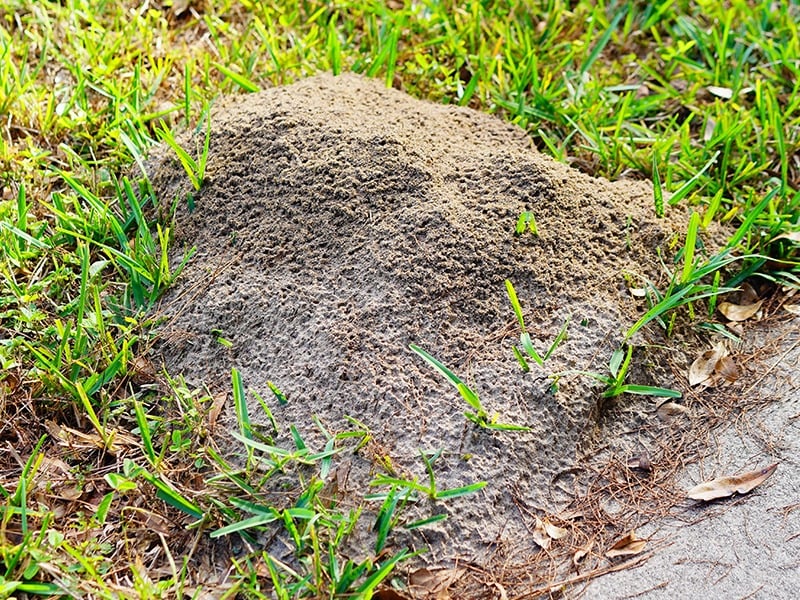
Rain Pushes Fire Ants Up, Not Out
Fire ants live below the surface in a network of tunnels. Most of the time, you don’t notice them.
But when the ground becomes saturated after heavy rain, those tunnels start to flood. The colony reacts quickly by moving upward to protect itself. That’s when they begin building fresh mounds on the surface.
So when you see new mounds after rain, it doesn’t mean a new infestation just started. It means an existing colony was forced into view.
Spring Conditions Help Them Spread Faster
Spring is already a busy time for fire ants.
As temperatures warm up, colonies become more active. They forage more, expand their territory, and in some cases, start new colonies nearby. When you add rain into the mix, it creates ideal conditions for movement and growth.
The soil is softer, which makes it easier for ants to build and rebuild. At the same time, moisture helps support the colony’s survival. That combination is why activity seems to jump so quickly this time of year.
Why Mounds Suddenly Show Up After Rain
One of the most frustrating parts for homeowners is how sudden it feels.
You may not have noticed anything in your yard a day or two ago. Then, after a storm, there are multiple mounds in plain sight.
Fire ants are extremely efficient builders, so once they move upward, mounds can show up on the surface very quickly. That’s why it feels like they just showed up, even though they’ve been active below the surface the whole time.
Fire Ants Are More Aggressive After Rain
Rain doesn’t just make fire ants more visible. It also makes them more defensive.
Their colony has been disrupted, and they’re focused on rebuilding and protecting it. That’s why they tend to react faster when a mound is disturbed after a storm.
For families who enjoy their outdoor living space, especially kids and pets who spend more time playing outside, that means a higher risk of stings.
Why Fire Ants Keep Coming Back
A lot of homeowners try to deal with mounds as soon as they see them. That’s understandable.
The problem is, a lot of store-bought treatments only reach ants on the surface. Most of the colony remains underground, along with nearby satellite nests, so they’re left untouched. After the next rain or warm stretch, activity picks right back up.
That’s why it often feels like fire ants keep coming back, even after they’ve tried to handle them with DIY products.
What To Do When You Start Seeing Mounds
When fire ant mounds start showing up after rain, it’s a sign the colonies in your yard are active and expanding.
The earlier you address it, the better. Spring is one of the easiest times to get control because the colonies haven’t fully spread across the property yet. Waiting usually means more mounds, more activity, and more frustration as the season goes on.
It also helps to avoid disturbing the mounds directly. That often causes the colony to relocate and split, leading to more widespread issues in your yard.
Fire Ant Control for Pee Dee and Grand Strand Homes
Fire ants are a persistent problem in South Carolina, and they behave differently here than in other parts of the country. That’s why local experience matters.
At Harris Pest Control, we’ve been helping homeowners across the Pee Dee and Grand Strand since 1973. As a third-generation, family-owned company, we see how fire ant activity ramps up every year and know what it takes to get it under control.
Our residential pest control plans include fire ant control around your home, designed to target the colony and reduce future activity, not just treat what you see on the surface.
We offer free inspections, service within 48 hours in most cases, and affordable pest control plans for any budget.
If you’re starting to see fire ant mounds after rain (or anytime really), it’s a good time to get ahead of them before they spread further across your yard.
Fire Ant Questions South Carolina Homeowners Ask
Can fire ants damage lawns or landscaping?
Yes, over time, they can.
Fire ant mounds can interfere with mowing, create uneven ground, and disrupt soil around plants. For many homeowners, it’s not just the stings—it’s how quickly they take over usable space in the yard.
Are fire ants active all year in South Carolina?
Not always at the same level.
They’re most active in warmer months, but colonies can survive year-round and become active again as temperatures rise.
Do fire ants fly?
Not the worker ants you usually see.
But certain fire ants develop wings and take flight during mating swarms, which often happen after warm, rainy conditions. That’s how new colonies start in different areas. If you’re noticing this activity, you can learn more about the types of ants that swarm in South Carolina.
Ready to Get Rid of Fire Ants?
If fire ant mounds keep showing up in your yard, it’s not something you have to keep dealing with on your own.
Schedule your free inspection with Harris Pest Control and let our local team get your fire ant problem under control.
Additional Services


















Get Started Today!