
Wolf Spiders in South Carolina: Identification, Activity, and How to Keep Them Out
Wolf spiders are among the most commonly spotted spiders in homes across South Carolina’s Pee Dee and Grand Strand regions. They’re fast, they’re bold, and they tend to surprise homeowners by darting across floors or hiding under furniture. Even though they look intimidating, they’re not aggressive—and they’re usually inside because they’re chasing insects.
Below, you’ll find quick, clear answers to the most common questions people ask about wolf spiders, how they behave, and what to do if you find them indoors.
What Do Wolf Spiders Look Like?
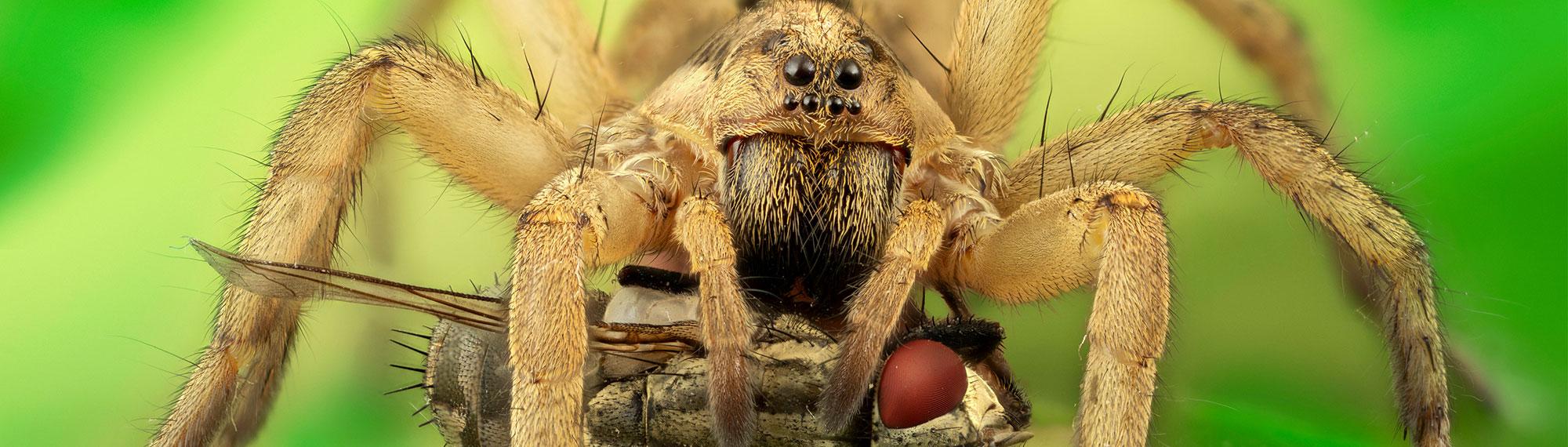
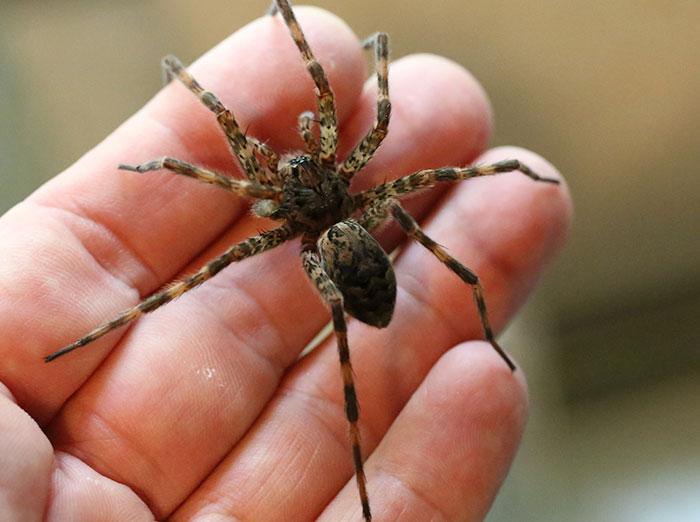
Wolf spiders are medium- to large-sized, sturdy spiders that measure up to 1⅜ inches in length.
They’re typically brown, gray, or black with pale stripes or markings along the body.
How to identify a wolf spider:
-
About 1–1⅜ inches in length
-
Robust, hairy body
-
Spiny, powerful legs
-
Brown/gray/black coloring with lighter stripes
-
Eight eyes in three rows, including two extra-large, forward-facing eyes
-
Very fast runners
When Are Wolf Spiders Most Active?
Wolf spiders can remain active year-round in South Carolina, with activity generally increasing during the warmer months and becoming more noticeable from late summer through fall.
Are Wolf Spiders Venomous?
Yes, but not dangerous to humans.
Like common house spiders and most arachnids, wolf spiders use venom to subdue prey, but their bites are not medically significant for the average person.
A wolf spider bite may cause:
- Mild pain
- Redness
- Swelling
- Itchiness similar to a bee or wasp sting
Wolf spiders rarely bite unless threatened or trapped.
Do Wolf Spiders Make Webs?
No, wolf spiders do not build webs. They are active hunters, not web builders. Instead of waiting in a web, they use their excellent eyesight and speed to chase down insects on the ground. This is one reason homeowners often see them running across floors rather than hanging from ceilings.
Where Do Wolf Spiders Live?
Outdoors, wolf spiders hide in:
- Leaf litter
- Mulch
- Rocks and landscaping
- Tall grass
- Wood piles
Indoors, they often arrive by accident while hunting insects. Once inside, they may stay if food and shelter are available.
Common indoor hiding spots:
- Under furniture
- Along baseboards
- In closets
- Crawl spaces, garages, or laundry areas
- Floor-level storage spaces
Homes in the Pee Dee and Grand Strand often see wolf spiders enter after heavy rain, sudden temperature swings, or seasonal bug surges.
Why Do Wolf Spiders Come Inside?
Wolf spiders don’t intentionally infest homes. They typically enter because they’re:
- Chasing insects
- Looking for shelter from heat, cold, or rain
- Following moisture
- Finding gaps under doors, around foundations, or near utilities
If you’re seeing wolf spiders indoors, there’s a good chance you also have high insect activity inside.
How Long Do Wolf Spiders Live?
Most wolf spiders live about one year, though some females may survive up to two years, especially in South Carolina’s warm, humid climate.
What Should I Do If I See a Wolf Spider?
Don’t panic, wolf spiders look intimidating, but they’re not dangerous or aggressive toward people. However, seeing one inside usually means that prey insects are present, and ignoring the problem may lead to an increase in spiders over time.
Instead of relying on DIY sprays, which rarely solve the root issue, contact a local pest professional who can address both wolf spiders and the insects they feed on.
How Do I Get Rid of Wolf Spiders?
The most effective way to eliminate a wolf spider problem is through professional pest control, which targets both the spiders and the insects that attract them.
At Harris Pest Control, we provide:
-
Free inspections
-
Effective spider treatments
-
Service for homes and businesses across the Pee Dee and Grand Strand
Our locally owned and operated team understands the seasonal pest pressures unique to our region and we’ll help you eliminate spider activity quickly.
How Can I Prevent Wolf Spiders in My Home?
To keep wolf spiders out, our local pest control specialists recommend:
- Sealing cracks, gaps, and openings on the outside of your home
- Installing screens on doors and windows
- Keeping your yard free of debris
- Decluttering your home
- Eliminating the insects in your home that wolf spiders feed on






Additional Services















Get Started Today!
Schedule Your Free Inspection