
Signs of Rodents: How to Tell If You Have Mice or Rats in Your Home
Mice and rats don't always make themselves easy to spot. You may hear something moving in the attic at night, find droppings under the kitchen sink, or notice that a bag of food has been chewed open long before you ever see the rodent itself.
For homeowners in Florence, Myrtle Beach, and throughout the Pee Dee and Grand Strand, knowing what those clues mean can help you catch a rodent problem sooner.
House mice, Norway rats, and roof rats are among the common rodents found in South Carolina, but you don't necessarily need to identify the species yourself. Start by looking for the signs rodents leave behind.

Introductory Program
Home Pest Control
Our home pest control plan may be the ideal fit for homeowners looking for general pest control for common house-infesting pests all year long. It includes an initial service to resolve existing pest problems and ongoing services that keep bugs and rodents away!
- Year-Round Pest Control
- 100% Satisfaction Guarantee
- Covers 20+ Pests
- Preventative Pest Maintenance
- Exterior Perimeter Pest Treatment
- Exterior Spider De-webbing (up to 15')
- Indoor Treatments (As needed or upon request)
- Fire Ant Control (within 25' of your home)
Starting at:
$3900A Month
Free Inspection Or Call (843) 665-4325

Pests Covered & Additional Details
Pests Covered: American Cockroaches, Carpenter Ants, Centipedes, Crickets, Earwigs, Fire Ants (within 25' of the house), German Cockroaches, House Flies, Lady Bugs, Mice, Millipedes, Nuisance Ants, Oriental Cockroaches, Rats, Silverfish, Spider Mites, Spiders, Stored Product Pests, Wasps, Brown-banded Cockroaches, Carpenter Bees
- Pricing does not include initial fee
- Excludes coverage for termites, fleas, mosquitoes, ticks, bed bugs, and other pests not specifically listed above. Services for any of these pests are available at an additional charge.
What Are the Most Common Signs of Rodents in a House?
Rodents tend to stay hidden, particularly during the day. Instead of seeing a mouse or rat running across the room, you're more likely to notice evidence of where it has been.
Common signs include:
-
Mouse or rat droppings
-
Scratching or scurrying in walls
-
Noises coming from the attic or ceiling
-
Gnawed food packages, wood, or other materials
-
Damaged electrical wiring
-
Shredded nesting materials
-
Grease or rub marks along frequently traveled areas
-
Tracks in dusty areas
-
Burrows around the exterior of the home
-
Unusual odors
Even one of these signs is enough to warrant a closer look.
Mouse or Rat Droppings
Droppings are one of the clearest signs that a rodent has been active inside your home, and their size and shape can offer clues about what you're dealing with.
House mouse droppings are small and dark, typically around the size of a grain of rice with tapered ends.
Roof rat droppings are larger than mouse droppings but smaller than those of Norway rats. They're usually elongated and curved or banana-shaped, with pointed ends.
Norway rat droppings are noticeably larger and thicker, typically with blunt ends.
Where you find them can provide another clue. House mice can nest in many areas throughout a home. Norway rats are more closely associated with lower levels and ground-level areas, while roof rats are strong climbers and commonly use elevated spaces such as attics and wall or ceiling voids.
Droppings alone aren't always enough for a positive identification, but their size, shape, and location, combined with other signs, can help narrow down whether you're dealing with mice, roof rats, or Norway rats.
Don't sweep or vacuum rodent droppings. Disturbing contaminated material can send particles into the air. Follow appropriate rodent-cleanup procedures instead.
Scratching or Scurrying Sounds in the Walls
Hearing something inside a wall after the house gets quiet can be one of the first indications that rodents are present.
Mice and rats are primarily active at night, so scratching, scurrying, or gnawing sounds may become more noticeable after dark. Rodents can move through wall voids as they travel between nesting areas, food, water, and other parts of a house.
Can the sound tell you whether you have mice or rats?
Sometimes it provides a clue, but sound alone isn't enough for a reliable identification. Mice are smaller and may produce lighter scratching or scurrying noises, while a larger rat can make more noticeable movement. Where the activity occurs, along with droppings, gnaw marks, tracks, and other evidence, provides a better picture.
Even if you hear the noise only once, we recommend having the area checked. Rodents can stay hidden for long periods, and you may not hear them every time they're active.
Noises in the Attic or Ceiling at Night
Attic noises deserve their own mention, especially for homeowners along the Grand Strand.
Roof rats are capable climbers and commonly use upper portions of structures. Mice can also nest in attics, so hearing movement overhead doesn't automatically mean you have rats.
Listen for scratching, scampering, or gnawing after dark. You might also find droppings, disturbed insulation, shredded nesting material, or gnaw damage when rodent activity is present in the attic.
Trees and shrubs that touch or overhang a house can give roof rats easy access to the upper portions of a structure, while gaps around rooflines, vents, and other openings can provide entry points.
If you're hearing something above the ceiling, don't rely on the noise alone to identify it. Other animals can enter attics, too. An inspection can help determine what's actually up there.
Gnaw Marks and Chewed Materials
Rodents gnaw on a wide range of materials, so unexplained chewing can be another important warning sign.
You may notice:
-
Holes in bags or boxes of food
-
Chewed cardboard
-
Damage to wood or trim
-
Gnawed plastic
-
Damaged insulation
-
Chewed electrical wiring
The size of the damage can sometimes help distinguish mice from rats. Mouse gnaw marks tend to be smaller, while rats can leave noticeably larger marks.
Electrical wiring is particularly concerning. Rodents can damage the protective covering around wires, which can create an electrical and potential fire hazard.
If you're finding gnaw damage along with droppings or nighttime noises, there's a stronger reason to suspect active rodents rather than old damage.
Grease Marks, Tracks, and Rodent Runways
Mice and rats often travel along walls and other protected edges instead of crossing wide-open areas.
Over time, frequently used routes can develop dark or greasy-looking smudges where dirt and oils from a rodent's fur contact a surface. Footprints and tail marks may also be visible in dusty areas.
Check along:
-
Baseboards
-
Garage walls
-
Pipes
-
Beams and rafters
-
Crawl spaces
-
Attic areas
-
Storage rooms
These signs can show you where rodents are moving, but they don't always identify the species on their own. Larger, more obvious rub marks can be associated with rats, while signs left by mice may be less noticeable.
Rodent Nests and Shredded Materials
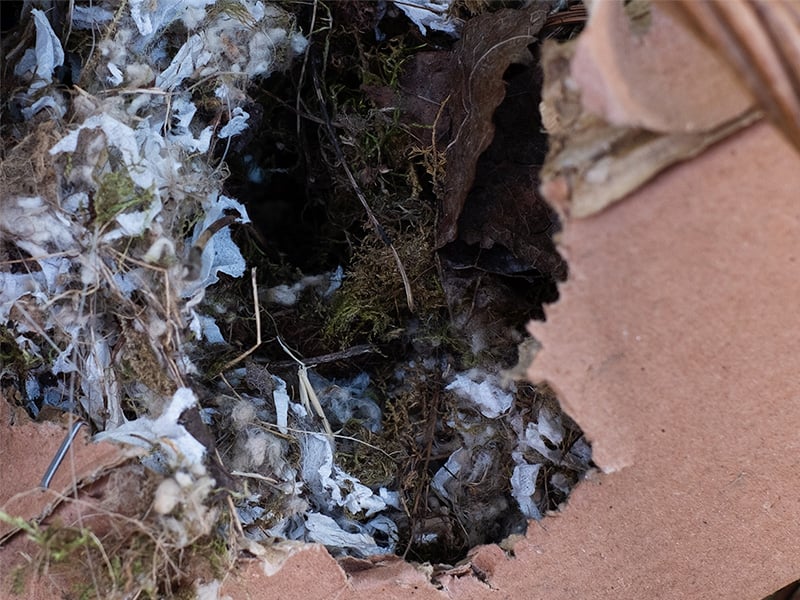
Finding a collection of shredded paper, cardboard, fabric, or insulation tucked into a protected area can indicate rodents are nesting nearby.
House mice may nest behind appliances, inside wall voids, in cabinets, storage areas, garages, crawl spaces, or attics. Rats also use protected nesting areas, although the location varies by species.
Norway rats are more closely associated with lower portions of structures and may create burrows outside near foundations, sheds, or other protected areas. Roof rats are climbers and are more likely to use elevated locations, including attics and rafters.
If you're finding nesting material indoors, removing the material alone won't address how the rodents got inside.
Burrows Around the Foundation or Yard
Not every sign of a rodent problem will be inside your house.
Holes or burrows around foundations, underneath sheds, or in other protected ground-level areas can be associated with Norway rats. These rats are burrowers and generally spend more time at or near ground level than roof rats.
A burrow near your house doesn't necessarily prove rodents have moved indoors. However, if you're also seeing droppings, gnawing, or other evidence inside, it can help narrow down what you're dealing with.
Unusual Rodent Odors
Rodent activity can sometimes produce a stale or unpleasant odor, particularly when urine and droppings accumulate in an enclosed area.
A stronger foul odor may also occur when a rodent dies in an inaccessible location, such as inside a wall void.
Odor alone won't tell you whether you have mice or rats, and other household problems can create similar smells. When it's accompanied by droppings, noises, gnawing, or nesting material, rodents become a more likely explanation.
Do I Have Mice or Rats?
Sometimes the signs make the answer fairly obvious. Other times, they don't.
In general, mice leave smaller droppings and smaller gnaw marks. Norway rats are larger, spend more time around ground-level areas, and commonly burrow. Roof rats are agile climbers and are more likely to use attics and other elevated spaces.
But location alone isn't enough to make a positive identification. Mice can live in attics, and rats can move through different parts of a structure.
If you want a closer comparison of size, appearance, droppings, nesting habits, and other differences, see our guide to how to tell mice and rats apart.
For rodent control, the more important questions are where they're active, how they're entering the home, and what needs to be done to stop the problem.
What Should You Do If You Find Signs of Rodents?
Finding a single mouse or rat doesn't necessarily tell you how many rodents are present, and catching one rodent doesn't tell you how it got inside.
That's one of the limitations of relying only on DIY traps or bait. Even when you catch a mouse or rat, openings around the home may remain accessible, and additional rodents may still be present.
If you suspect rodent activity, check areas where signs commonly appear, including the kitchen, pantry, attic, crawl space, garage, and storage areas. Keep food in sealed containers, clean up accessible food, and look for openings around doors, utility penetrations, vents, the foundation, and roofline.
More importantly, pay attention to whether the evidence continues. New droppings, repeated nighttime noises, additional gnawing, or signs appearing in multiple parts of the house point to activity that needs to be addressed.
Get Help With Mice and Rats in Your South Carolina Home
If you've found droppings, heard scratching in the walls or attic, or noticed other signs of rodents, Harris Pest Control can help determine what's going on.
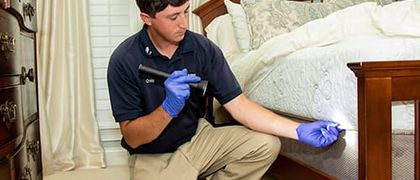
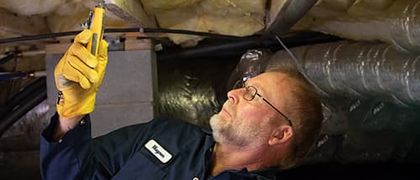
We've been serving homeowners in Florence, Myrtle Beach, and throughout the Pee Dee and Grand Strand since 1973. Our rodent control services start with a free inspection to check rodent hot spots inside your home, inspect the crawl space, and look for conditions around the property that could be contributing to the problem.
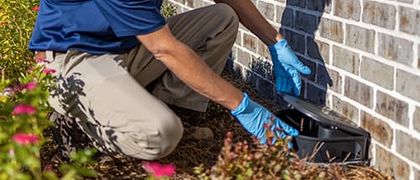
Based on our findings, we'll recommend a customized approach that may include trapping, baiting, exterior rodent stations, and exclusion.
Mice and rats are also covered under our home pest control plans, which include an initial service and ongoing pest control for year-round protection against covered household pests.
Don't wait for a quick glimpse of a mouse or rat to confirm what the other signs are already telling you.
Contact Harris Pest Control to schedule your free inspection.
Schedule Your Free Inspection
Additional Services














Get Started Today!