
How Cold Snaps Affect Rodents in South Carolina Homes
Cold weather doesn’t stop rodents—it drives them inside. Learn why sudden temperature drops send mice and rats scrambling for shelter in South Carolina homes and what you can do to keep them out.
When the first real cold snap hits the Pee Dee or Grand Strand, most of us pull out the heavier blankets, grab a warm drink, and get cozy inside. Unfortunately, mice and rats have the same idea. Sudden dips in temperature push rodents to seek warmth, food, and shelter, and our homes offer all three. That’s why winter is one of the busiest times for rodent activity in South Carolina—especially during early-season cold fronts.
Below, we break down how cold snaps affect rodent behavior, the signs they’ve moved in, and what South Carolina homeowners can do to protect their homes before these uninvited houseguests settle in.

What This Blog Will Cover
- Why mice and rats head indoors when temperatures drop
- The types of rodents most likely to invade South Carolina homes
- How cold snaps increase rodent activity and home entry
- Signs a rodent has already gotten inside
- Prevention tips to protect your home during winter weather
- How Harris Pest Control solves rodent problems
- Home Pest Control service benefits for year-round protection
Why Cold Snaps Trigger Rodent Activity
Rodents are opportunistic survivors. They don’t hibernate, and in South Carolina’s climate, they remain active year-round. But when temperatures suddenly drop, especially overnight, rodents respond quickly.
Cold Snaps Increase Rodent Movement
Mice and rats begin searching for stable warmth and reliable food sources. Outdoor food becomes harder to find in winter, making homes, garages, crawl spaces, and attics especially attractive.
Your Home Provides the Perfect Shelter
Mice only need a gap the size of a dime, and rats can squeeze through quarter-sized openings. During cold snaps, they’re more motivated to find and exploit these openings, including:
- Gaps around doors and garage seals
- Open or damaged crawl space vents or doors
- Unsealed utility lines
- Gaps in siding or roofing
- Cracks in foundations
Rodents Reproduce Indoors All Winter
Once inside, the combination of steady heat and abundant food allows rodents to expand their population. A small issue during December’s first cold front can turn into a full infestation by February.
Common Rodents That Invade South Carolina Homes
House Mice
Light, agile, and curious, the house mouse is the most common indoor rodent in South Carolina. These mice move quickly, hide easily, and can establish nests in walls, attics, storage areas, and even under or in kitchen appliances.
Rats (Roof Rats & Norway Rats)
- Roof rats often enter homes by climbing trees, siding, or utility lines and nesting in attics.
- Norway rats are ground-dwellers that push into crawl spaces, basements, garages, or ground-level walls.
Both species are strong, intelligent, and highly destructive once inside. They contaminate food, chew wiring and insulation, damage belongings, and carry bacteria and allergens.
Signs Rodents Have Already Moved In
Cold snaps often reveal rodent problems you didn’t notice before. Watch for:
- Droppings in kitchens, garages, attics, or cabinets
- Scratching or scurrying sounds at night
- Gnaw marks on food packaging, wires, or wood
- Shredded paper, insulation, or fabric used for nesting
For more signs of rodent activity, visit our blog, Signs of Rodents: How to Identify Mice & Rats.
And remember, the sooner you act, the easier and faster it will be to control the problem.
How to Prevent Mice and Rats During Cold Weather
While preventing every possible entry point is difficult, these steps make your home far less appealing:
- Seal gaps around windows, doors, and utility lines
- Repair damaged crawl space vents
- Keep storage areas clean and decluttered
- Store food in airtight containers
- Keep trash sealed and removed regularly
- Trim trees and shrubs away from the home
- Reduce moisture in crawl spaces and basements
However, even well-maintained homes can experience rodent problems during extreme cold weather. That’s where professional help makes the biggest difference.
The Most Effective Solution: Professional Rodent Control
DIY traps and baits rarely solve the problem completely, especially when rodents have found multiple entry points. Here at Harris Pest Control, we offer targeted, professional rodent control designed specifically for homes in South Carolina’s Pee Dee and Grand Strand areas, as well as our unique winter weather patterns.
Our Rodent Control Services Include:
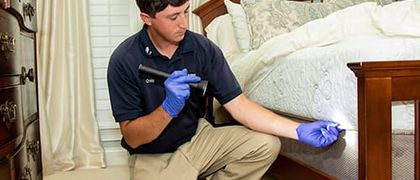
- Free rodent inspection to identify entry points, nesting areas, and species
- Customized treatment plans tailored to your home and level of activity
- Professional rodent trapping & baiting
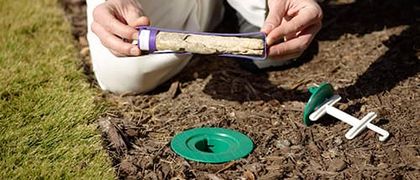
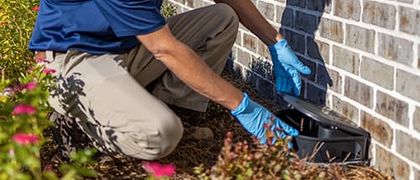
- Exterior rodent station installation
- Rodent exclusion to seal the gaps rodents use to access your home
These services not only eliminate current activity but also help prevent future invasions, even during severe cold snaps.
Year-Round Protection With Home Pest Control
Mice and rats aren’t the only pests looking for warmth. Ants, spiders, cockroaches, and overwintering insects also move indoors as temperatures drop. Our home pest control services offer ongoing, all-season protection against several house-infesting pests.
When you partner with us, we will:
- Keep insects and rodents out before they become a problem
- Protect your home with routine seasonal treatments
- Identify vulnerabilities early
- Provide you with peace of mind throughout the year
Contact Harris Pest Control Today!
Understanding how mice and rats behave during sudden temperature drops helps you stay one step ahead, but the most reliable solution is professional support. Harris Pest Control is here to help homeowners in Florence, Myrtle Beach, and throughout our service area protect their homes, health, and peace of mind. Contact us today!
Additional Services













Get Started Today!