Why Mice and Rats Will Start Coming Indoors This Fall
Mice and rats can get into homes across the Pee Dee and Grand Strand at any time of year, but fall often brings a noticeable shift in rodent activity. As outdoor conditions change, houses, garages, crawl spaces, and other protected areas can become more attractive places to shelter.
Because fall stays relatively mild in this part of South Carolina, that shift doesn’t happen on a set date. Rodents may begin showing up indoors earlier during a cooler year or later when warm weather lingers.
When Do Mice Start Coming Inside in the Pee Dee and Grand Strand?
There isn’t one specific month when mice suddenly begin moving indoors.
House mice remain active year-round, and some may already be living in or around structures before fall arrives. What changes during the fall is the likelihood that homeowners begin to notice them inside as temperatures trend downward and rodents take advantage of protected spaces.
In the Pee Dee and Grand Strand, that can happen gradually. A warm October may mean little change at first, while a stretch of cooler weather can make crawl spaces, garages, attics, and wall voids more appealing.
Once a mouse or rat finds reliable shelter inside a home, it may remain there through the colder months. That’s why scratching, droppings, or an indoor sighting can seem to appear suddenly, even when rodents have been active around the property for some time.
Why Do Mice and Rats Come Inside in the Fall?
Shelter is a big part of the answer.
Rodents need places where they can stay protected and have access to food and water. A home can provide all three. As outdoor conditions change, an opening leading to a crawl space, garage, attic, or wall can provide a mouse or rat with access to a much more protected environment.
Weather isn’t the only reason rodents enter homes, though. Food, water, clutter, pet food, birdseed, and other conditions around a property can also make a home more attractive to mice. We cover those factors in more detail in our guide to what attracts mice to your home.
For this reason, finding mice indoors during fall doesn’t necessarily mean cold weather alone drove them inside. It may simply be the time of year when an existing entry point and favorable conditions become more noticeable.
Where Do Mice and Rats Get Into Pee Dee and Grand Strand Homes?
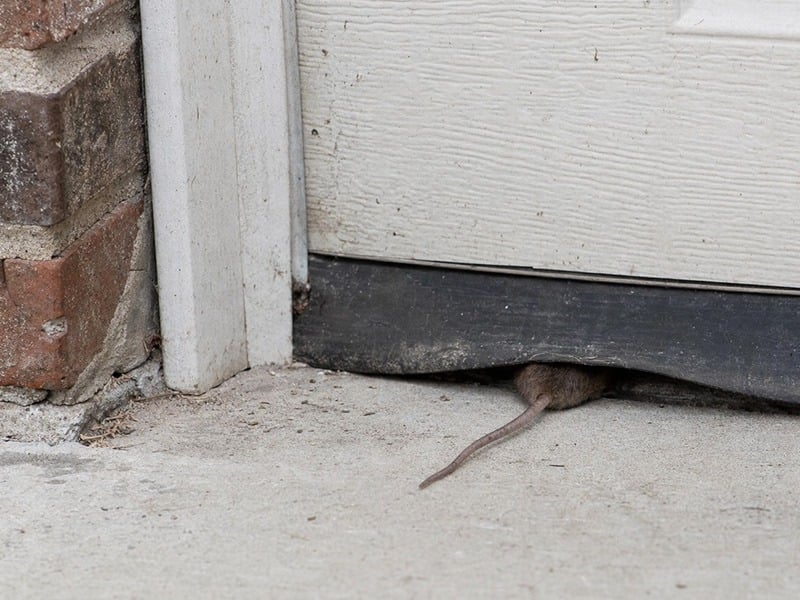
Rodents don’t need an obvious hole in the side of a house. Mice can fit through very small openings, and entry points are often found where different parts of a home meet.
Around homes in the Pee Dee and Grand Strand, some areas deserve particular attention.
Crawl Spaces
Crawl spaces are especially important when evaluating rodent activity in homes throughout this region.
A mouse or rat may enter through a damaged crawl-space door, an opening around a vent, a utility penetration, or another gap around the foundation. Once underneath the home, rodents may have access to insulation, plumbing, and wiring runs, or openings that lead farther into the structure.
That can make crawl-space activity difficult for a homeowner to notice right away. You might hear movement beneath the floor or discover signs elsewhere in the house without ever seeing the rodent underneath it.
Because of that connection, Harris Pest Control includes the crawl space when inspecting a home for rodent activity.
Garages
Garage doors don’t always sit tightly against the floor or frame. Worn seals, gaps at the corners, and openings around utility lines can give rodents another route inside.
Garages also provide plenty of protected areas where mice can remain out of sight, especially around stored belongings, shelving, and adjoining walls.
Gaps Around Pipes and Utility Lines
Plumbing, electrical lines, HVAC components, cable lines, and other utilities have to pass through exterior walls or foundations at some point.
If the opening around them is larger than necessary or has changed over time, mice may be able to use it. These gaps can be easy to overlook because they often sit behind equipment or in less visible areas around the house.
Attics and Rooflines
Not all rodent activity starts at ground level. Roof rats, in particular, are adept climbers and can exploit openings higher up on a structure.
Damaged vents, gaps along roof edges, and other exterior openings can provide access to attics and upper portions of a home.
The important thing is that the spot where you notice a rodent isn’t necessarily where it entered. An inspection looks beyond the room where activity was first discovered to determine where rodents may be traveling and how they got inside.
How Do You Know If Rodents Have Moved In?
You may not actually see a mouse or rat first. Scratching or scurrying sounds, droppings, gnaw marks, or disturbed nesting material are all common signs of mice and rats in a home.
Where those signs appear can offer clues about where rodents are active. Noises beneath the floor, for example, may point to the crawl space, while sounds overhead could come from the attic or a ceiling void.
What Should You Do If You’re Finding Mice or Rats This Fall?
If you’re already finding droppings, hearing movement, or seeing rodents, the priority shifts from general fall prevention to figuring out where the activity is occurring and how the animals are getting inside.
A few traps may catch individual rodents, but they don’t necessarily address an entry point or activity elsewhere in the home.
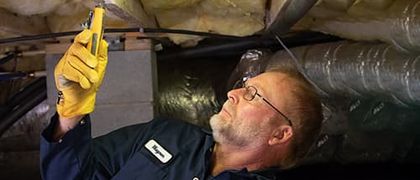
Harris Pest Control starts with a free rodent inspection. A pest control specialist checks rodent hot spots inside the home, including the kitchen, pantry, and attic, and inspects the crawl space and conditions around the property.
Once the inspection is complete, we explain what we found and recommend a treatment approach based on the property and the level of activity. Rodent control may include trapping, baiting, exterior rodent stations, exclusion, or a combination of those services.
For homeowners who also want year-round protection from common household pests, Harris Pest Control’s residential pest control plans include mice and rats, along with more than 20 other covered pests.
Get Help With Mice and Rats in the Pee Dee and Grand Strand
If mice or rats are already making themselves at home, you don’t have to wait for colder weather to see if the problem gets worse.
Harris Pest Control has served South Carolina homeowners since 1973 and provides rodent control in Florence, Myrtle Beach, and communities across the Pee Dee and Grand Strand.
Call (843) 595-9771 or schedule your free rodent inspection to find out where the activity is coming from and what your home needs.
Originally published September 19, 2025. Updated October 2026.
Additional Services













Get Started Today!