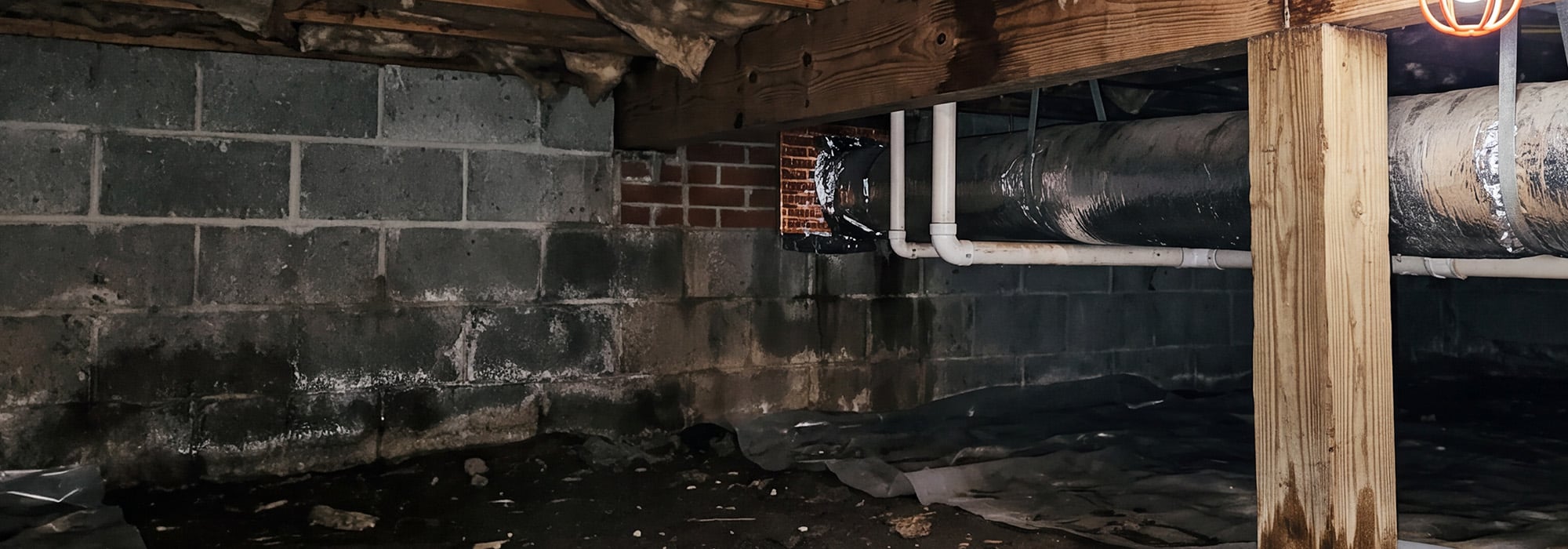
Is Moisture Causing Problems Under Your Home?
Musty smells inside the house? Water under the crawl space after heavy rain? Sagging insulation, soft wood, or high moisture readings on a home inspection?
These can all point to excess moisture underneath your home.
For more than 50 years, Harris Pest Control has helped homeowners across the Pee Dee and Grand Strand identify and correct crawl space moisture problems. We’ll inspect the space, determine what’s contributing to the moisture, and recommend the right solution for your home — whether that means improving drainage, installing a moisture barrier, completing a full encapsulation, or combining several approaches.
You don’t need to know what your crawl space needs before you call. That’s what the free inspection is for.
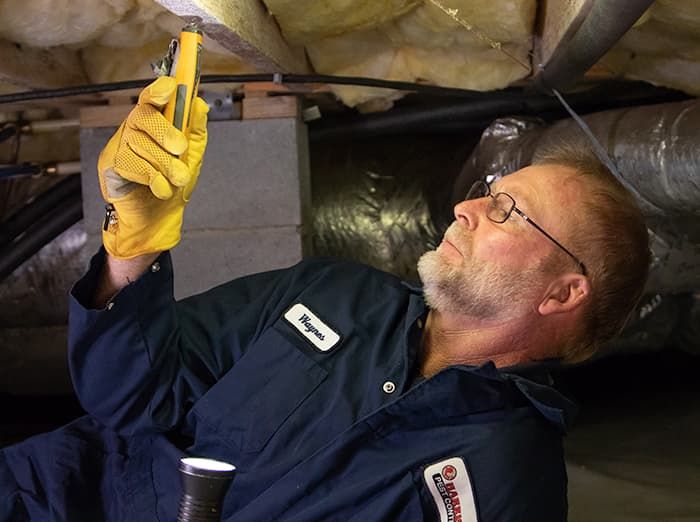
Why Crawl Space Moisture Shouldn’t Be Ignored
A damp crawl space usually doesn’t stay just a crawl space problem. Over time, excess moisture can affect the wood, insulation, flooring, and other materials above it. It can also contribute to musty odors inside the home and create the damp conditions that termites, carpenter ants, cockroaches, and other pests favor.
The longer those conditions continue, the greater the chance that a moisture problem turns into damaged insulation, wood decay, or more expensive repairs.
That doesn’t mean every humid crawl space needs a full encapsulation. It means the source of the moisture should be identified and corrected before it has a chance to cause bigger problems.
Harris Pest Control can inspect your crawl space and help determine what needs to be addressed now — and what doesn’t.
Signs You May Have a Crawl Space Moisture Problem
Crawl space moisture isn’t always obvious from inside the house. Some of the most common warning signs include:
- Musty or damp odors indoors
- Sweating or dripping ductwork, floor joists, or subfloor
- Insulation that is wet, sagging, or falling
- Standing water after heavy rain
- Water stains or high-water marks on piers or foundation walls
- Soft wood or visible wood decay
- Floors that feel soft or uneven
- Doors that have become harder to open or close
- Elevated wood-moisture readings on a home inspection or WDI report
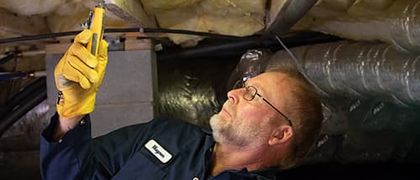
If you’re seeing one or more of these signs, Harris can inspect the crawl space and determine what’s causing the moisture before recommending a solution.
Not Every Crawl Space Needs the Same Moisture-Control Solution
A crawl space with humid air and exposed soil may need a very different solution from one that collects several inches of water after a storm.
That distinction matters.
Installing a liner alone won’t correct an active drainage problem, and a full encapsulation may not be necessary when a more targeted moisture-control approach will do the job.
Harris Pest Control offers several crawl space moisture solutions and can combine them when needed.
Crawl Space Moisture Barriers
A moisture barrier helps reduce moisture moving from exposed soil into the crawl space.
For homes where ground moisture is the primary concern, a properly installed barrier can be an important part of creating a drier environment underneath the house.
Full Crawl Space Encapsulation
Crawl space encapsulation creates a more controlled environment beneath the home by covering exposed ground and sealing areas where outside moisture and humid air can enter.
Depending on the crawl space, the system may also include a dehumidifier to help maintain more stable humidity levels.
Encapsulation can be a good option when ongoing humidity and ground moisture are contributing to damp conditions, but Harris will inspect the crawl space first to make sure drainage or other problems do not need to be addressed before the space is sealed.
Crawl Space Drainage Systems
If rainwater or groundwater is entering the crawl space, moisture control may need to start with drainage.
Harris can install French drainage and a sump pump system to collect water and move it away from the crawl space.
For homes that need both drainage and encapsulation, we can complete the work together or phase the project by addressing the water problem first and returning for encapsulation later.
Clean-Out, Insulation & Crawl Space Repairs
Some crawl spaces need preparation before moisture-control work can begin.
Depending on the condition of the space, Harris can provide:
- Crawl space clean-out and sanitation
- Leveling and grading
- Insulation removal and replacement
- Vent replacement
- Crawl space access door replacement
We’ll include any necessary preparation in your proposal so you know what needs to happen before installation begins.
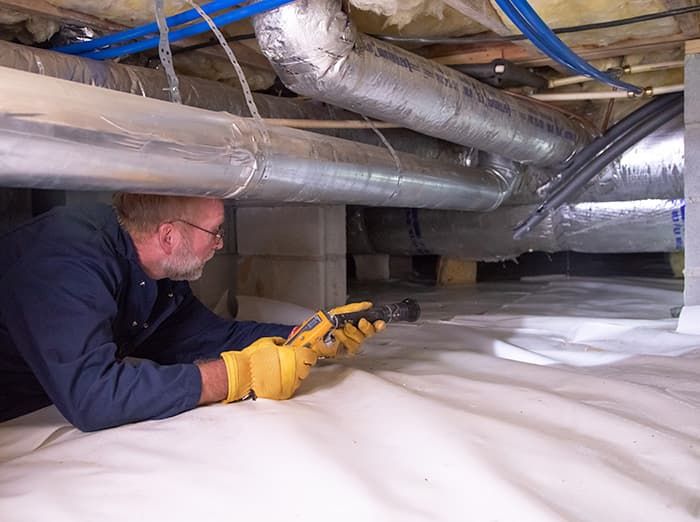
Why Choose Harris for Crawl Space Moisture Control
Harris Pest Control has served homeowners across the Pee Dee and Grand Strand for more than 50 years. Our team can address both crawl space moisture and related pest problems; larger projects can be completed in phases when appropriate, and our encapsulation service includes ongoing follow-up after installation.
What to Expect During Your Crawl Space Project
Once you decide to move forward, we keep the process straightforward.
1. Free inspection
A licensed specialist evaluates the crawl space and identifies moisture, drainage, wood decay, pest activity, and other conditions that may need attention.
2. Findings and proposal
We’ll explain what we found and provide a clear proposal for the recommended work. When more than one solution makes sense, we can quote different options.
3. Crawl space preparation
Our team completes any necessary clean-out, leveling, grading, insulation removal, or other preparation.
4. Installation
We install the moisture barrier, encapsulation system, drainage, sump pump, dehumidifier, or other components included in your project.
5. Final inspection
After the installation is complete, your Harris moisture-control specialist performs a final inspection.
6. Follow-up
Customers who receive crawl space encapsulation get a six-month follow-up and ongoing annual moisture-control service.
Do I need to prepare anything before work begins?
No. There is no crawl space prep required from the homeowner.
How Long Does Crawl Space Encapsulation Take?
The timeline depends on the size and condition of your crawl space and how much preparation is required before installation.
Typical project times are:
- Moisture barrier: 1–2 days
- Full crawl space encapsulation: 4–6 days
- French drainage and sump pump: Allow at least 3 additional days
Crawl spaces that require significant clean-out, leveling, grading, or other preparation may take longer.
How Much Does Crawl Space Encapsulation Cost?
There isn’t one flat price for crawl space moisture control because every home is different.
The total cost can depend on:
- Crawl space square footage
- Clean-out, leveling, and grading requirements
- Severity of the moisture problem
- Whether drainage and a sump pump are needed
- Number of piers that need to be wrapped
- Whether insulation needs to be removed or replaced
- The dehumidifier size required for the home
- Airflow restrictions caused by ductwork or the crawl space layout
Harris requires half of the project cost as a deposit before work is scheduled, with the remaining balance due after the final inspection.
We do not currently offer financing, but larger projects can sometimes be completed in phases. For example, if a crawl space needs both drainage and encapsulation, we can install the French drain and sump pump first and complete the encapsulation later.
Your Encapsulation Includes Ongoing Service
A crawl space can change over time, which is why ongoing monitoring is an important part of Harris Pest Control’s encapsulation service.
After installation, we complete a final inspection and return for a six-month follow-up.
Every encapsulation also includes annual moisture-control service. During that visit, we:
- Service the dehumidifier and replace its filter
- Confirm the dehumidifier is level and operating properly
- Service the sump pump and check valve
- Inspect the liner
- Check sealing doors
- Repair qualifying rips or tears
- Record crawl space temperature and humidity
- Record outdoor temperature and humidity
- Measure crawl space wood-moisture content
Your annual report gives you a year-over-year record of conditions underneath the home instead of leaving you to wonder whether the system is still working.
Warranties & Aftercare
We stand behind the moisture-control systems we install.
Santa Fe dehumidifiers include a 6-year full warranty, and our crawl space liner carries a 10-year warranty against rips and tears.
Already Dealing With Pests? We Can Handle Both.
Moisture and pest problems often overlap.
Damp crawl spaces can attract cockroaches and other insects, while water-damaged wood may make conditions more favorable for termites and carpenter ants. Mice can also take advantage of protected crawl spaces and openings around the structure.
If your home is dealing with both moisture and pest activity, Harris can evaluate both problems and recommend a coordinated approach.
Homeowners who want broader protection can also combine moisture-control services with a residential pest control program for ongoing protection against covered household pests.
Ready to Get Your Crawl Space Moisture Under Control?
You don't have to know whether you need drainage, a moisture barrier, or full encapsulation before you call. Harris Pest Control will inspect your crawl space, explain what we find, and recommend the right solution for your home.
Free Inspectionor call (843) 665-4325





Frequently Asked Questions
Moisture Control FAQs
Water can enter a crawl space in several ways, including heavy rain, poor drainage, groundwater, plumbing leaks, and humid air that creates condensation. An inspection can help determine which source is contributing to the problem before a solution is recommended.
Yes. Damp crawl spaces can provide favorable conditions for cockroaches and other pests. Moisture-damaged wood can also increase concerns about termites and carpenter ants.
Persistent moisture can contribute to wood decay, damaged insulation, musty odors, mold and mildew growth, flooring problems, and increased pest activity. The longer the moisture source continues, the more extensive the repairs may become.
Harris does not perform electrical work. If your project includes a dehumidifier or sump pump that requires wiring, a licensed electrician will need to complete that portion. We’ll explain what is required during the project.
Often, yes. On the South Carolina CL-100 report, wood-moisture readings of 20% or higher are reported as excessive moisture conditions. Wood-destroying insect inspections are also commonly required for certain real estate transactions, including VA loans. A moisture barrier is one common way to address elevated crawl space moisture, depending on what the inspection finds.
Additional Services













Get Started Today!