
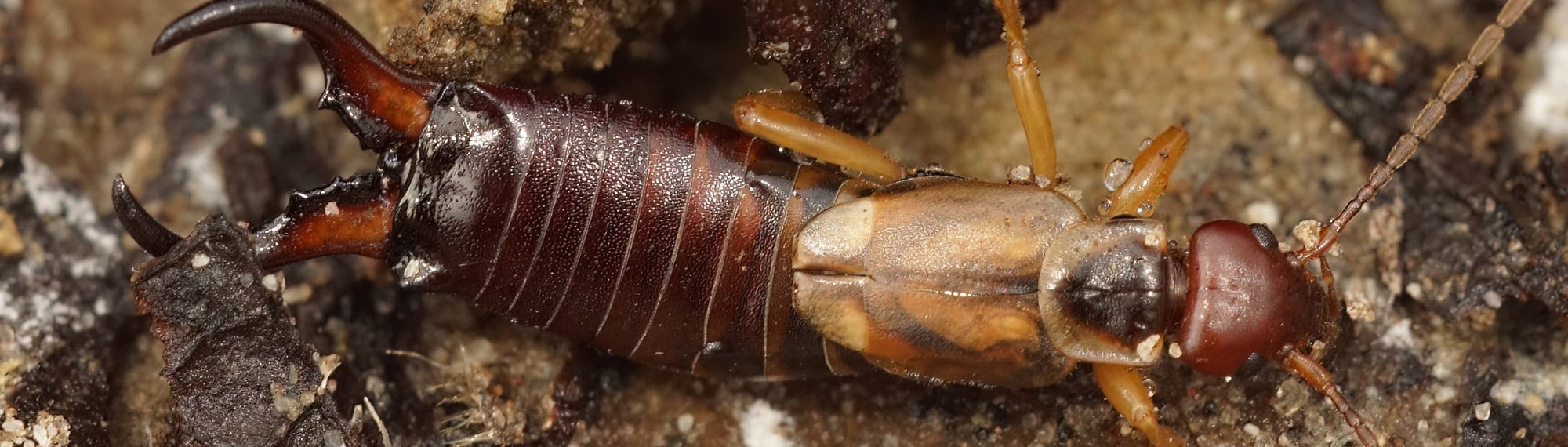
The European earwig (Forficula auricularia) is the species most commonly found around homes in South Carolina.
Earwigs are outdoor insects that prefer dark, damp places such as mulch, leaf litter, woodpiles, and areas beneath stones or flowerpots. They occasionally wander into homes, especially when changing weather or excess moisture disturbs their outdoor hiding places.
Although their pincers can look alarming, earwigs are primarily nuisance pests. They do not spread disease, damage homes, or normally reproduce indoors. However, recurring earwig activity can point to excess moisture, outdoor harborage, or gaps that allow pests to enter.
What Do Earwigs Look Like?
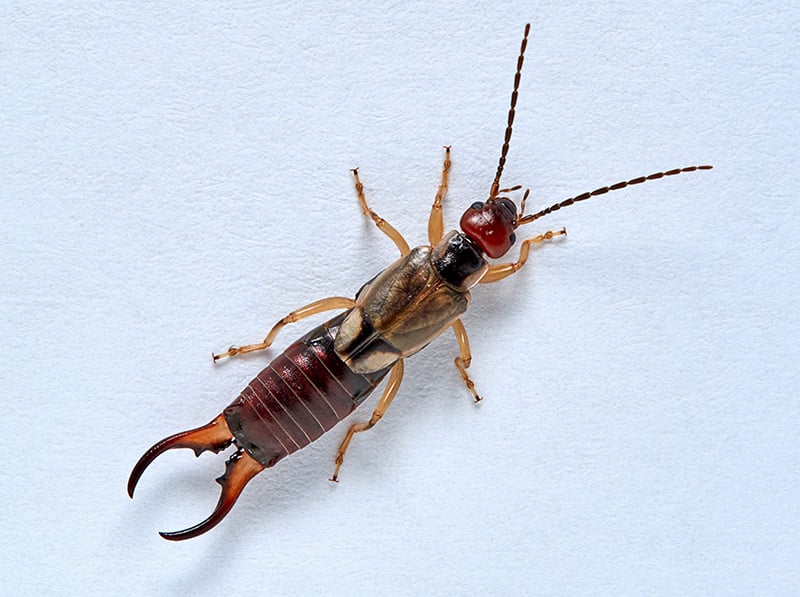
Earwigs have long, flattened bodies that allow them to squeeze beneath doors and into narrow cracks. Adults are generally reddish-brown to dark brown and measure approximately ½ to ¾ inch long.
Their most recognizable feature is a pair of pincer-like appendages, called cerci, at the end of the abdomen. Male earwigs typically have strongly curved pincers, while females have straighter pincers that sit closer together.
Most adult European earwigs have wings folded beneath short wing covers, but they rarely fly. They are more commonly seen scurrying across floors or hiding beneath objects.
Earwig nymphs look like smaller, paler adults. They are wingless and have slimmer, less-developed pincers. Earwig eggs are small, oval, and pearly white, but homeowners rarely see them because females lay and guard their eggs in nests in the soil.
Earwigs at a Glance
-
Size: Approximately ½ to ¾ inch long
-
Color: Reddish-brown to dark brown
-
Distinguishing feature: Two pincers at the end of the abdomen
-
Most active: At night
-
Preferred conditions: Dark, cool, and damp
-
Risk to people and pets: Very low
-
Structural damage: None
-
Indoor reproduction: Uncommon
-
Peak local activity: Late spring through early fall
When Are Earwigs Most Active?
Earwig activity around Pee Dee and Grand Strand homes generally increases in March and peaks from June through September, when warm nights, moisture, and summer rainfall create favorable conditions. Activity typically drops from November through February.
Why Earwigs Enter Homes
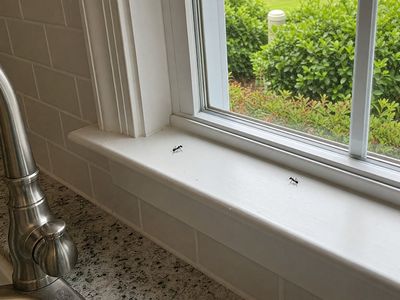
Earwigs are accidental invaders that slip inside through gaps beneath doors, damaged weatherstripping, foundation cracks, window frames, or openings around utility lines.
They can also be carried inside with potted plants, boxes, outdoor furniture, or other items that have been stored in damp areas.
Conditions that can contribute to earwig activity include:
-
Thick or constantly damp mulch near the foundation
-
Leaf litter and landscape debris
-
Woodpiles, stones, and flowerpots beside the house
-
Leaking outdoor faucets or irrigation systems
-
Clogged gutters or downspouts that discharge near the foundation
-
Dense vegetation touching the house
-
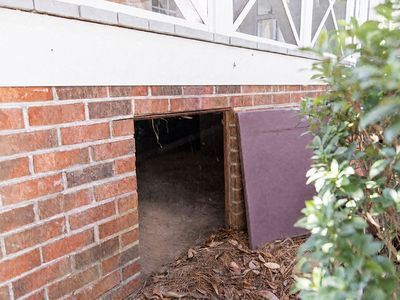
Damp crawl spaces
-
Gaps around doors, windows, vents, and utility penetrations
Sudden weather changes can also bring earwigs inside. Heavy rain may flood their outdoor hiding places, while extremely hot or dry weather may cause them to search for cooler, more sheltered conditions.
Inside, earwigs are usually found near ground level in bathrooms, laundry rooms, kitchens, garages, crawl spaces, and other areas where moisture is available.
Finding one earwig does not necessarily mean you have an infestation. Repeated sightings or groups of earwigs are more likely to indicate a nearby outdoor population, moisture problem, or entry point.
Are Earwigs Harmful?
Earwigs are not aggressive and do not sting or have venom. If one is picked up or trapped against the skin, it may occasionally pinch with its cerci or give a minor nip. This rarely causes more than brief discomfort.
Earwigs are not known to spread disease, and they are not considered a serious threat to people or pets.
Despite the familiar myth, earwigs do not seek out human ears or burrow into people’s brains. The story is old folklore rather than normal earwig behavior.
Earwigs also do not eat wood, damage a home’s structure, infest furniture, or normally contaminate stored food.
Earwig Damage in Gardens
Earwigs can be both helpful and harmful outdoors. They feed on decaying organic material and may consume aphids, insect eggs, and other small pests. When populations become large, however, they can chew seedlings, flower petals, corn silk, and soft fruit such as strawberries.
Earwig feeding can leave irregular holes in leaves and flowers. The damage may resemble slug or caterpillar feeding, but earwigs do not leave the slime trails associated with slugs.
What to Do When You Find an Earwig Indoors
An earwig found indoors can be vacuumed or swept up, but removing the visible insect does not address the outdoor activity or entry point that brought it inside.
Harris Pest Control’s ongoing home pest control provides preventive exterior treatments and interior service when needed.
Earwig Prevention
To make your home and landscaping less attractive to earwigs:
-
Clear leaves, boards, flowerpots, firewood, and other hiding places away from the foundation.
-
Thin damp mulch and trim vegetation touching the home.
-
Repair leaks, clean gutters, and direct water away from the foundation.
-
Have persistent crawl-space moisture evaluated.
-
Seal openings around doors, windows, vents, pipes, and utility lines.
-
Inspect potted plants and outdoor items before bringing them inside.
-
Use warm or yellow lighting near entrances instead of bright white lights.
Professional Earwig Control from Harris Pest Control
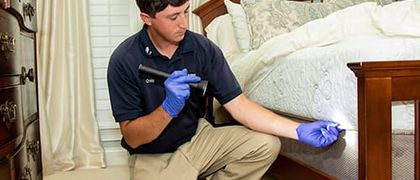
Harris Pest Control provides earwig control throughout the Pee Dee and Grand Strand. We begin with an inspection to locate the activity and determine where treatment is needed, then target affected areas inside the home and around the property.
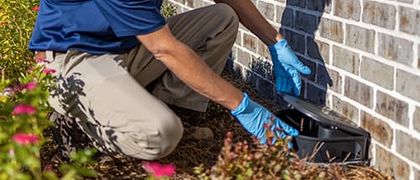
For continued protection, our home pest control plans include routine exterior treatments that reduce pest pressure and help keep earwigs and other common household pests from getting inside.
If earwigs are showing up in your home, contact Harris Pest Control to request a free inspection or call (843) 438-0734.





Additional Services
















Get Started Today!
Schedule Your Free Inspection